
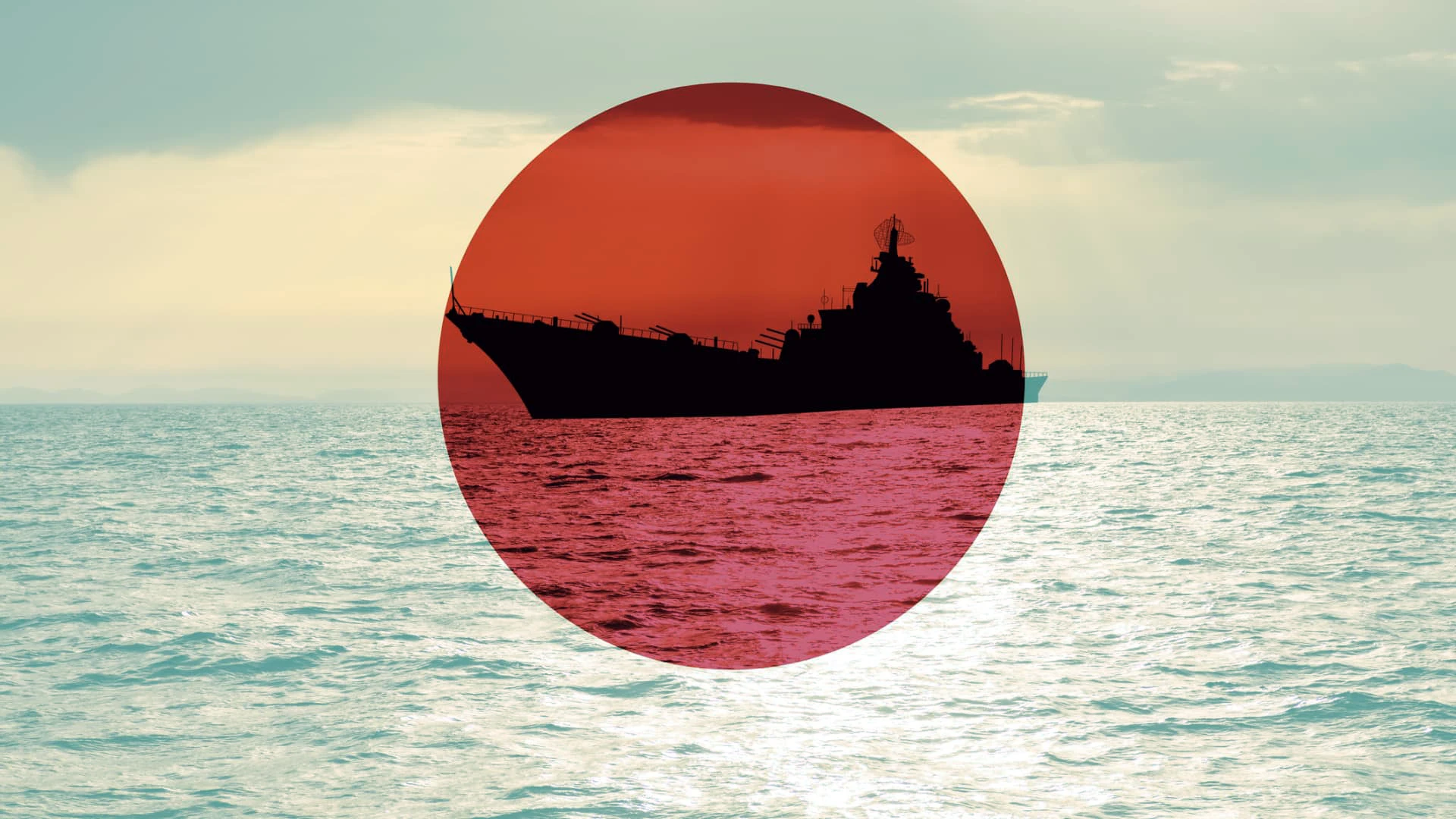
Last week, the Japanese government revised limits on defense equipment exports that will allow the sale of more weapons abroad. This represents the latest shift away from pacifist policies written into its Constitution (by the U.S.) after World War II, and comes during a time as it faces rising security threats from China and a rapidly changing global order including an increasingly unreliable U.S. (which has long been its main partner post-WWII).
Over the past decade, the country has gradually eased limits on weapons exports by allowing exceptions such as for rescue, transport, surveillance, minesweeping, warning or under license agreements. Weapons exports includes anything that has lethal or destructive capabilities include destroyers or missiles. Sales are limited only to countries that have signed agreements protecting classified information related to this equipment/technology.
The move came after the government hosted 30 NATO envoys as a display of stronger ties and to diversify its network of allies. Tokyo also secured a $6.5 billion deal to supply warships to Australia. Prime Minister Takaichi Sanae later wrote on social media, “No single country can now protect its own peace and security alone.”
Non-weapons (such as radar systems for control and warning) exports face no restrictions
Critics who have raised concerns about Japan abandoning its postwar pacifism, were addressed by Takaichi and Chief Cabinet Secretary Kihara Minoru that “there is absolutely no change in our commitment to upholding the path and fundamental principles we have followed as a peaceful nation for over 80 years since the war.”
China has criticized the move as Japan attempting to revive its World War II-era militarism.
I’ve made my opinions pretty clear on this in the past regarding Japan’s over reliance on the United States outside of its own self-defense capabilities (its military is not meant to be used for offensive purposes). The U.S. having such a large global military presence is in line with a long pattern of American propaganda (security in exchange for hosting a military presence in order to handle foreign threats before it occurs on American soil).
While there have been benefits, there is also the self-made “boogyman” of propaganda by all governments in order to keep their citizens in fear of attacks by a foreign enemy (the U.S. has used that to justify the amount of money spent on the military). The conflict in the Middle East reveals the holes in that propaganda (which will require a wholesale change of political leadership and agendas; one that will take many cycles so long as free/fair elections exist). We have the means to conduct a lot of offensive operations, but at a huge cost (which doesn’t help regular citizens at home).
IMHO (and keeping this simple), Japan can continue serving its pacifist agenda while also ensuring they are in control of their own national security without having to rely heavily on the United States (which is highly unreliable under this current regime and subject to using blackmail/extortion as a tactic). And unless the U.S. is able to resolve those systemic issues with its own government, other countries should not have to be at the whim of political uncertainties every 4 years (so long as actual free and fair elections remains a reality).
I personally believe that Japan has been silently building up its military over several governments anyway (maybe more so during the late Abe Shinzo’s last term). There are rural areas where both new housing construction and a growing population exists around Japanese bases (indicating a growing civilian workforce). This would be in typical Japanese fashion of not drawing attention to ones self, and doing it in a pragmatic fashion that works best for the country.
Nonetheless, the Japanese government also does its own saber rattling like when Takaichi riled up China and Japanese anti-war advocates with talk of deploying the military should Beijing attack Taiwan. In short, propaganda is everywhere and will be used by each government for their own benefit. It’s up to citizens to maintain a healthy dose of skepticism and to question everything these governments and the mainstream media are dishing out.
While it would be nice if everyone could just get along, my cynical take (just from being another long time observer of this insanity) is that we do have these governments with their agendas to keep conflicts going because it keeps them in power and generates money for them in some way (political favors, kickbacks, lobbying aka bribes, etc).