
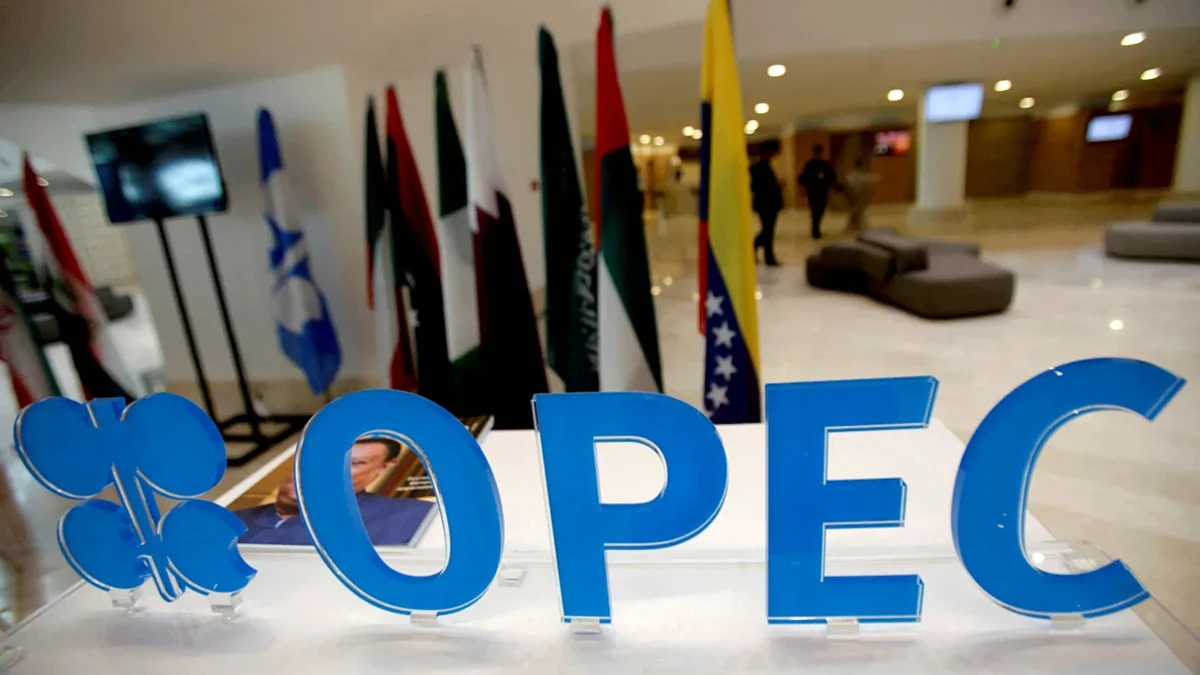
After 6 decades of being a member of OPEC, UAE announced they will be leaving the oil cartel on May 1, 2026. The UAE represents the third largest producer of oil in the cartel that is led by its de facto leader Saudi Arabia, and represents a huge blow since OPEC will have far less leverage to control oil prices whenever things get back to normal in the region.
UAE’s energy ministry mentioned that leaving OPEC would give it greater flexibility to respond to a “new energy age” in line with its “long-term strategic and economic vision”. I just think of it as fancy PR for stating they can be in charge of their own production limits and pricing (especially whenever things get back to normal).
This move comes amidst the Iran War which is on the verge of causing a global energy crisis and global economic meltdown. Over the last few years, there had been rumors of the UAE leaving (there have been policy disagreements with OPEC behind the scenes in the past), but they were all rebuffed. In terms of timing this exit while oil prices on the rise, it probably made sense for them to do so now.
The UAE last week did their own “power play” by warning the U.S. about the ongoing Iran War (reminding they started it), weighing on USD denominated revenue, where they may be forced to use the Chinese Yuan for oil transactions if they begin running low on USD. Oil has long been arbitraged in USD (petrodollar) when Saudi Arabia decided in the 1970’s to export oil in USD (which has long been considered a stable currency) which established it as the standard currency for global oil trade.
That premise is being challenged (not helped by how the U.S. is conducting itself in this war and with allies around the world). Moving away from the USD by oil producers in the region would represent a major threat to the dollar as the world reserve currency. UAE’s central bank chief raised the idea of a currency-swap line with Treasury Department and Federal Reserve officials during meetings in Washington, D.C., last week.
Experts however are split on the petrodollar losing its standing to something like the Chinese Yuan. One analyst mentioned the following:
“Damage to Gulf economies could encourage an unwind in their foreign asset savings,” they said. “In this context, reports that the passage for ships through the Strait of Hormuz may be granted in exchange for oil payments in yuan should be closely followed. The conflict could be remembered as a key catalyst for erosion in petrodollar dominance, and the beginnings of the petroyuan.”
Any loss of the dollar’s “exorbitant privilege” would also ripple through other areas of global finance, including the bond market. Thanks to the dollar’s status as the world’s reserve currency, the federal government has long been able to issue debt at rates lower than investors would otherwise allow.
Others don’t believe the USD’s dominance will see much impact pointing out how it would need to be de-coupled in so many different areas:
Those include the depth, breadth, and liquidity of U.S. financial markets as well as the freedom to move money across U.S. borders virtually unimpeded.
“It accounts for well over half of foreign currency reserves held by central banks, and a similar share of export invoices for cross-border trade, as well as international bank loans and bond issuance. Network effects entrench its status; everybody has an incentive to use the dollar because so many others do.”
Myself? I think it will depend on how insufferable the U.S. ends up becoming under a prolonged kakistocracy. Its usual allies are already doing partnerships with other countries on their own while some are moving away from using U.S. based tech companies and/or creating alternatives since the underlying premise is the U.S. is no longer a reliable partner.
The U.S. gave up its soft power in those massive DOGE cuts in 2025 (USAID being a huge one). China has been filling that void. And whether or not one believes the propaganda or not regarding China’s lead in renewable energy initiatives, that could have impacts in the future. By many accounts, BYD (in terms of EV vehicles) is ahead of anything the U.S. has (I personally cannot say either way since it isn’t something I’ve paid much attention to).
None of this change happens overnight (it’s just inertia). Similarly, unwinding and de-coupling from the USD would also take a bit of time. But once its status of reliability is eroded, there will be no turning back because all of that debt being held by countries like China and Japan, would lose its desirability (and dumping them would put that upwards pressure on the yield curve, costing the U.S. economically).