To be upfront, the price of precious metals is something that I haven’t been following in recent years (because it doesn’t really interest me). The last time I might have even paid attention to it was when I last mentioned this (back in 2011) when it had just gone over to what was then, its historical high of $1,800 per ounce (for those who don’t use “freedom” units, an ounce is 28.35 grams).
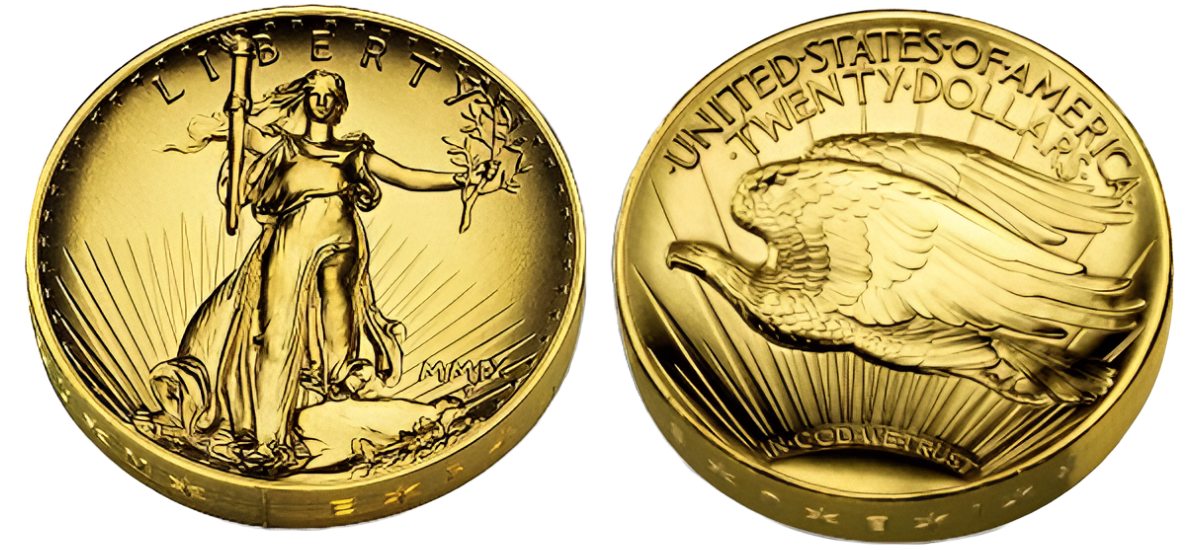
But recently (in late January 2026), the spot price of 1 troy ounce of gold cracked the $5,000 mark, eventually pulled back to between $4,600-4,900, before rallying again through February and reaching an all time high of over $5,200. While it seems astronomical, the same could’ve been said back in the late 2000’s when it was over $1,000 an ounce. When the U.S. Mint released the limited 2009 Ultra High Relief Gold Double Eagle pictured at the top (a 1 ounce bullion gold coin that replicated the original 1907 Saint-Gaudens High Relief $20 Double Gold Eagle), the original price averaged around $1,200-1,400. With the crazy timeline we now live in, it’s expected that gold will continue to rise over time (but ebb and flow along the way as recent volatility has shown).
I remember how the spot price of gold was below $400 an ounce when I was still in college. It had dropped from being over $900 at one point in January 1980 due to geopolitical factors but by 1989, was generally selling at half that amount. Throughout most of the 1990’s it remained below $400 per troy ounce before spiking for a short period in 1996. From there, it took a downturn falling to below $300 in 1997-1999. Prior to the 2001 World Trade Center attacks, that was probably one of the best times to buy gold ($230-275 ounce).
At the time though, I was the typical moneyless student that worked part time to pay my own way through university (I refused any major assistance from my parents). Nonetheless, one of my earlier hobbies was collecting coins (maybe not the highest graded stuff; it was simple/pure in the early days of buying affordable silver coins that looked nice enough and were old historically). I would look at the photos of the gold coinage and never imagined owning one; collecting them was far off my radar at the time because it was something I couldn’t afford.
Part of this interest was because my maternal grandfather had a pretty nice collection of coins (American, Australian, Canadian, Japanese). He even had some small gold Japanese koban coins that I really wished I could’ve talk to him at the time to not sell (some time in the 90’s, he sold most of his collection to a dealer that ended up low balling the entire value; he received something like $30,000 when it was likely worth well over double that amount; the value of Edo era gold koban coinage can be extremely high because of how rare they are). But I digress.
I then met another business/management information system major who was a serious numismatic coin collector (amongst a bunch of hobbies). He used to go to the big numismatist events in California (like the Long Beach Coin Show) and had coins from the collections of folks like the late James F. Ruddy (the Photograde creator) and Q. David Bowers (I ended up later buying some of the nicer Gold Liberty and Saint-Gaudens Double Eagles from him; he had many “blazers” since he knew so many graders from both NGC and PCGS and would often times get first crack at some of those “mint state” slabs). We became really good friends given how much insights we shared in common about the world (he unfortunately passed away 2 decades ago from an unexpected health issue).
I ended up learning just a small fraction of this numismatic world from him which led me to save enough money just to buy some of the pieces he was selling (from his Bowers and Ruddy collection) at just slightly above the spot price of gold (normally, the actual numismatic value of this coinage that was also legal tender would be an additional premium; he knew I was collecting these versus looking to turn around and sell them – I still own all of them today); most of the 1 ounce “$20” Liberty’s and Saint-Gauden’s I bought cost under $400 each (I purchased around $5,000 worth of gold coins which was a huge sum of cash for me at the time; I have more details about this in this other post). The Augustus Saint-Gaudens design (below) that ran from 1907-1933 remains my favorite.
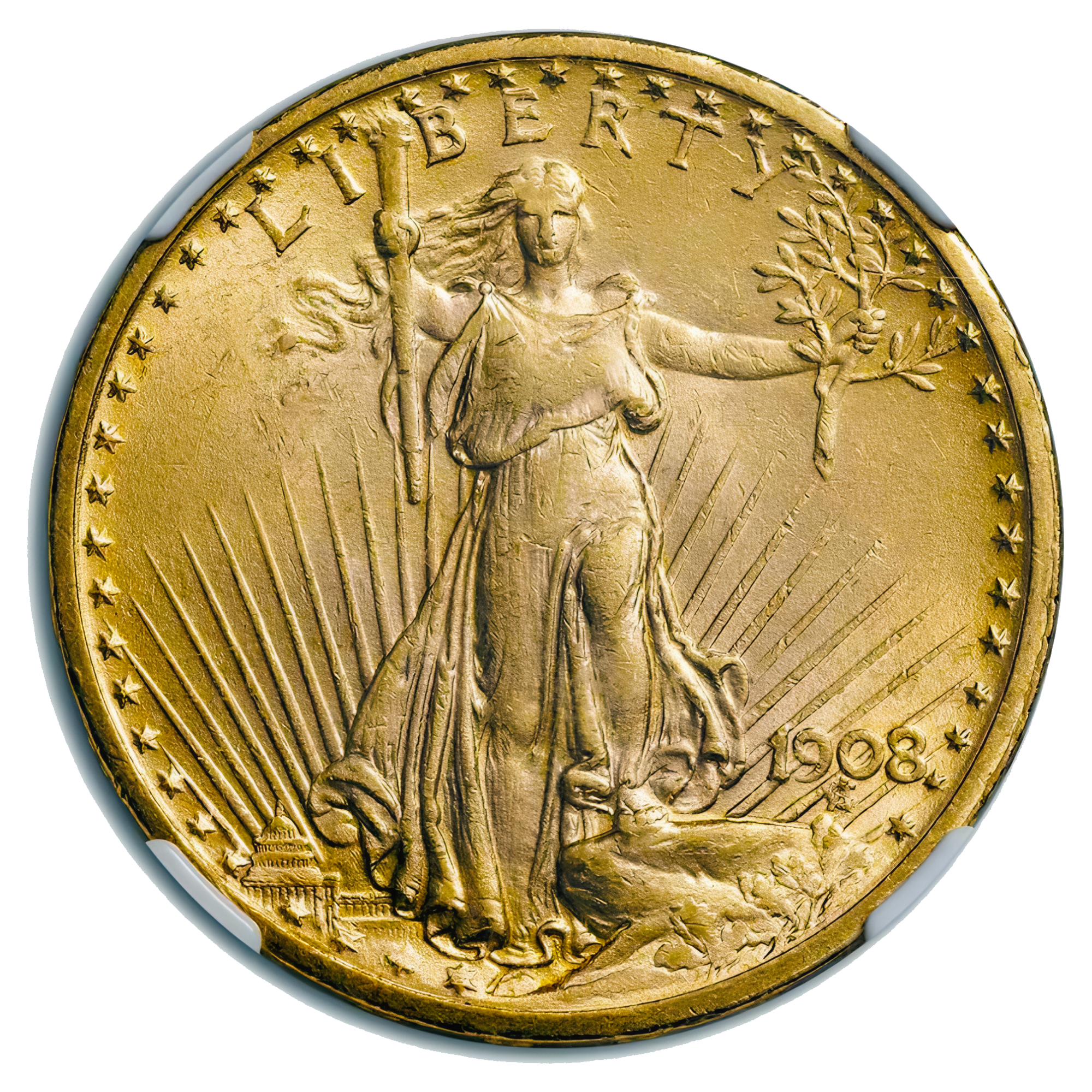
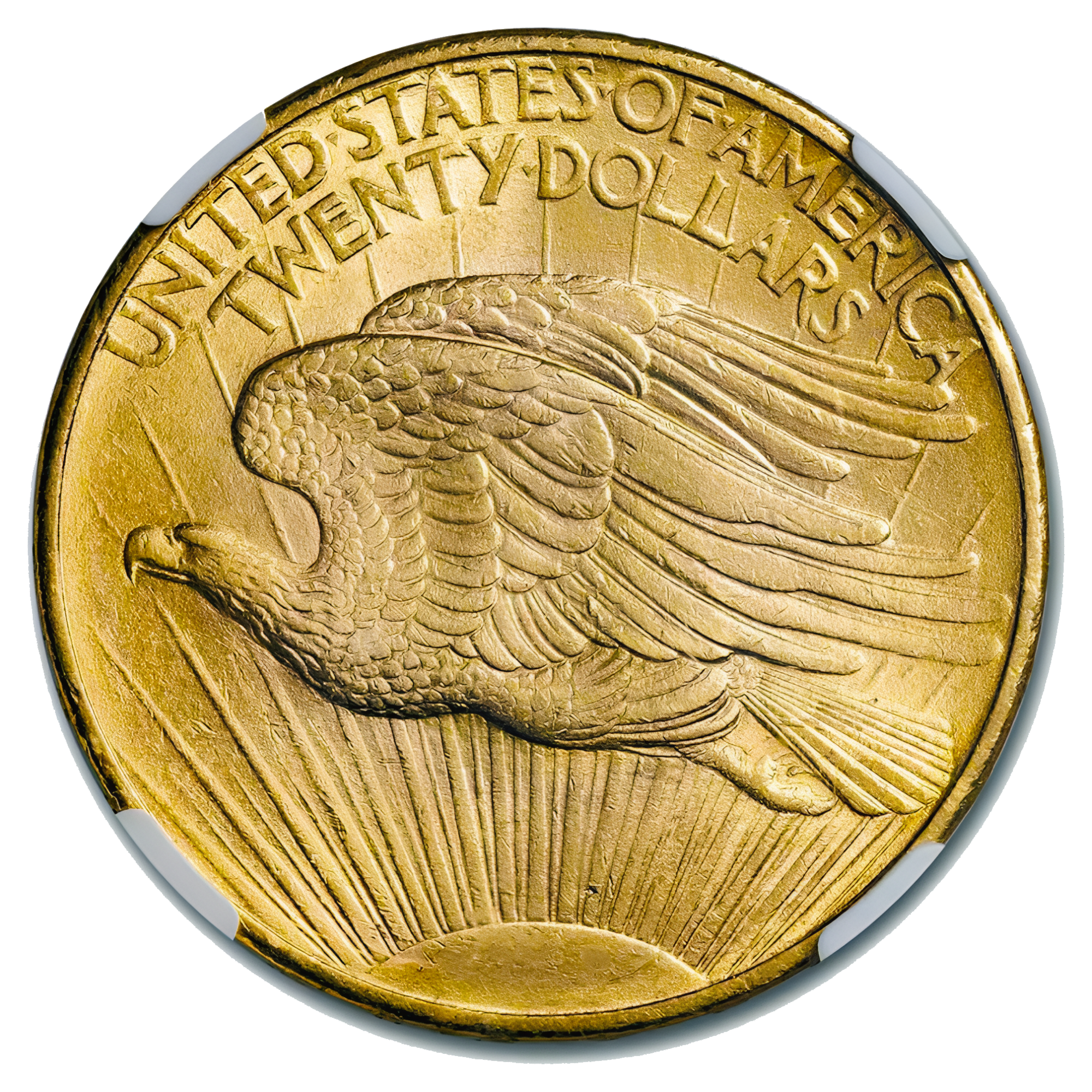
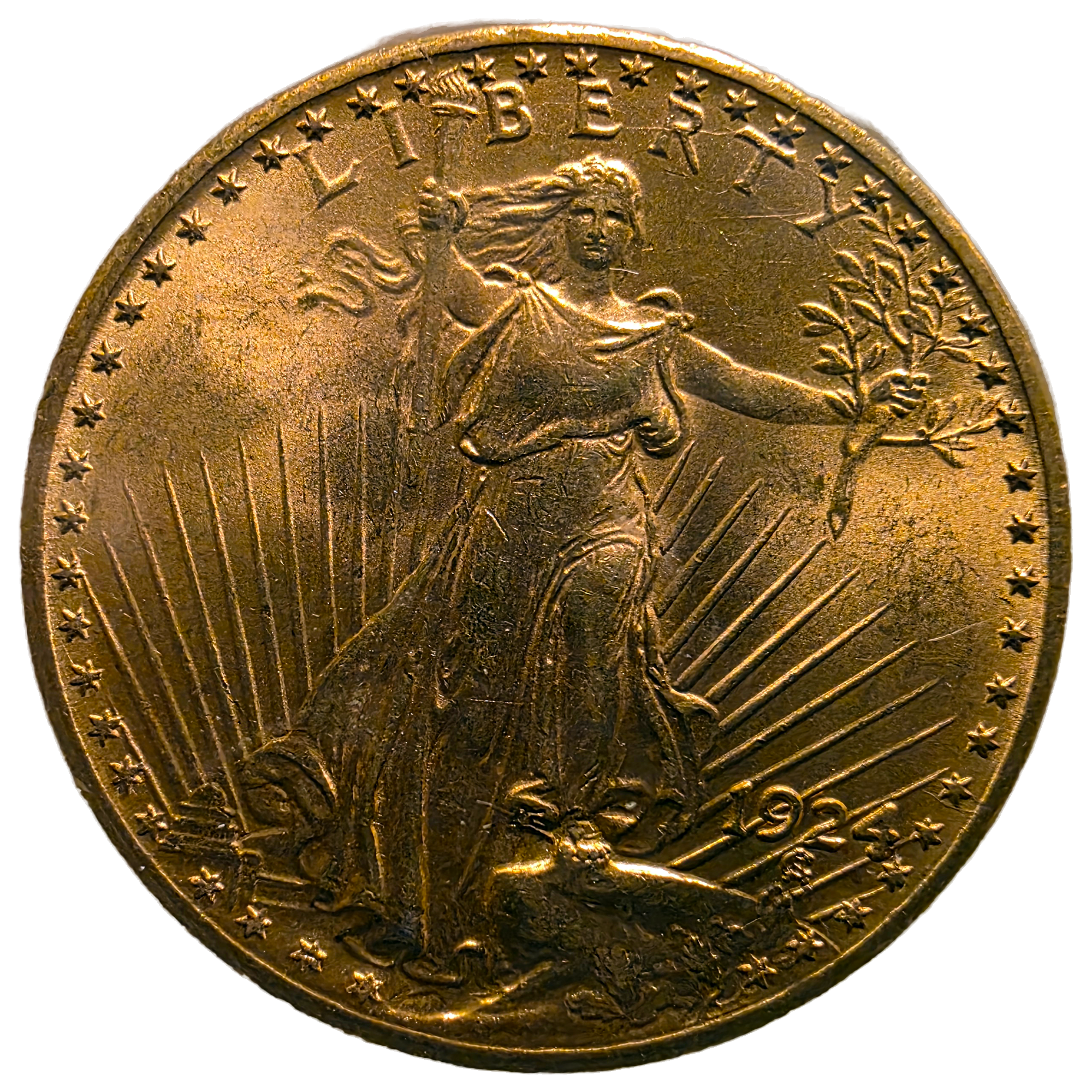
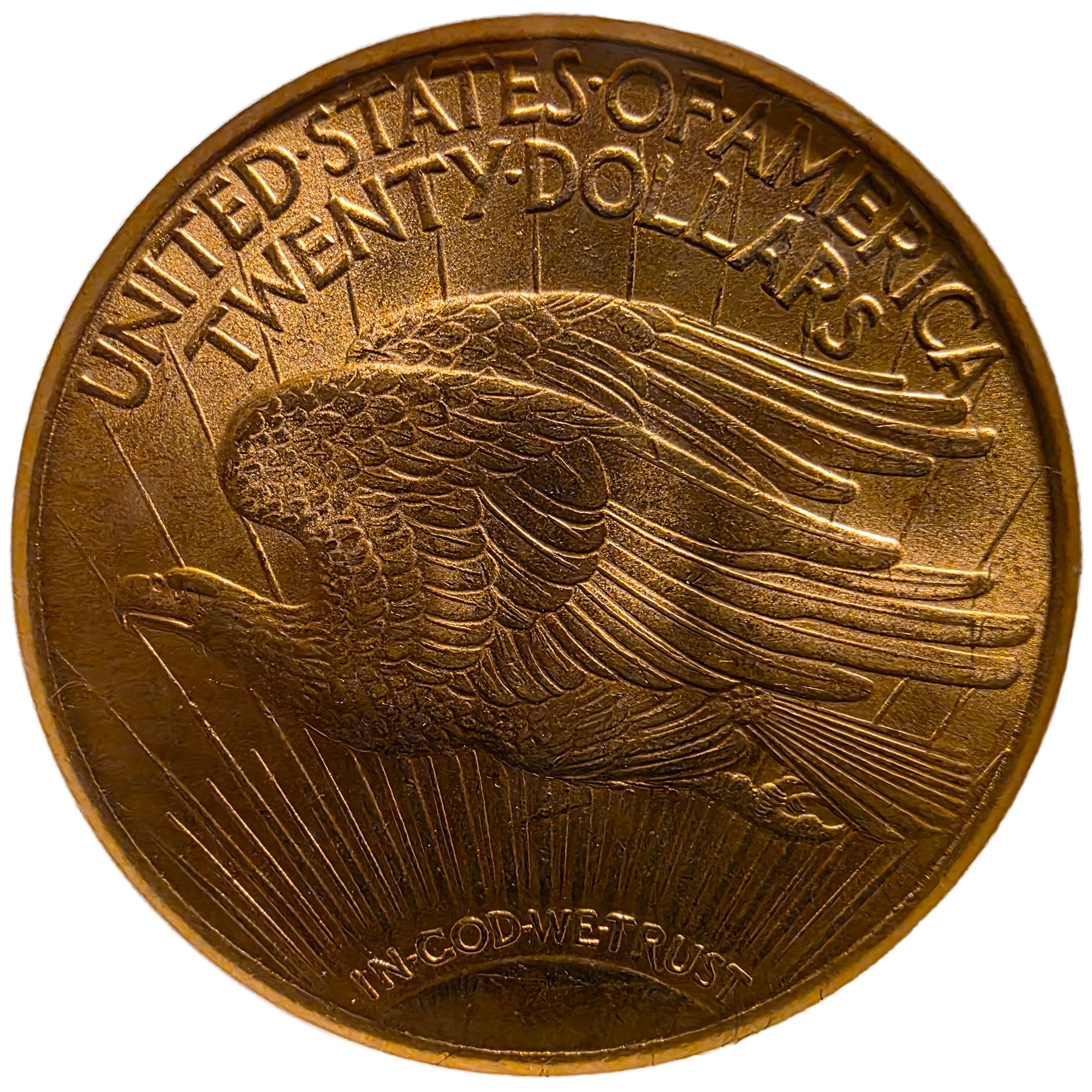
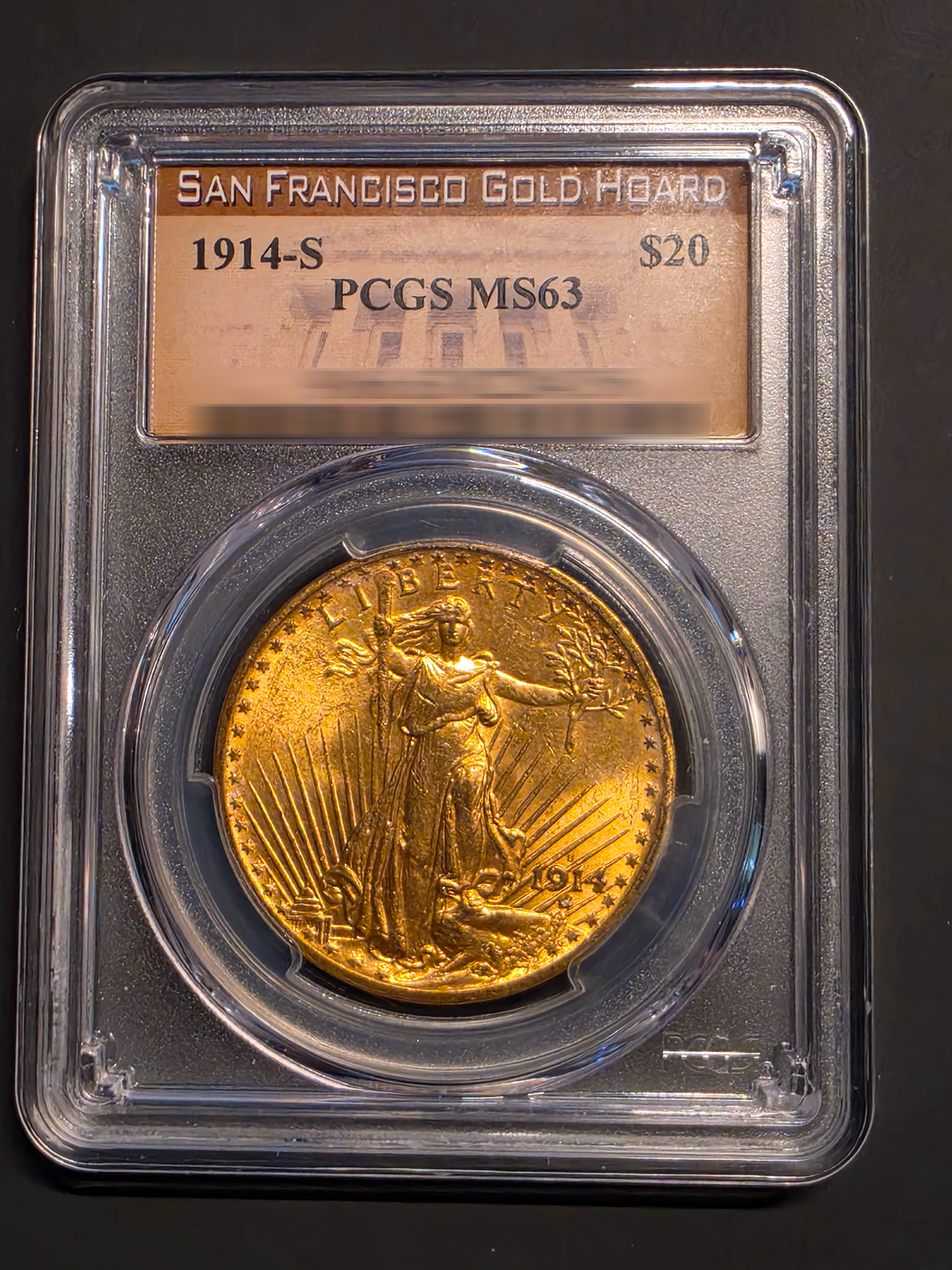
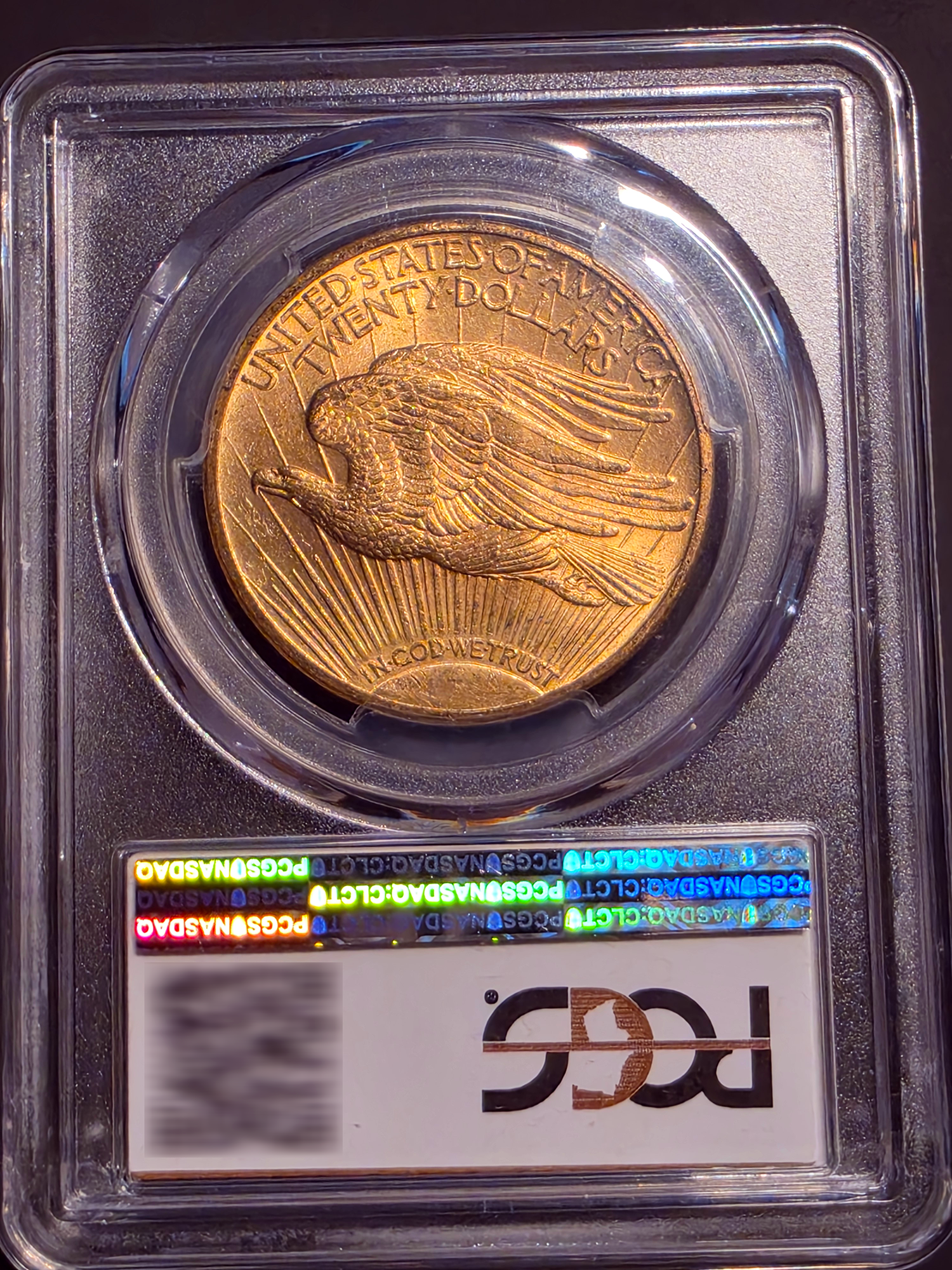
I didn’t view this gold as necessarily an investment. It was more of a hedge in case fiat money (aka paper/coin currency which has no actual value like silver/gold backing it besides the promises of the government) devalued itself from out of control inflation in the future where I at least had some physical assets that could offset that devaluation. Over time, I collected other gold coins (including Canadian Gold Maple Leafs and Chinese Panda’s) while the spot price remained under $1,000 an ounce. Today, that original collection acquired while I was in college is now worth over $70,000 in just the spot gold (the actual numismatic value once their grading is taken into account, puts it into the six-figure range. While it wasn’t an investment vehicle, it has done well if it were viewed in that context.
Reflecting back on this, it was part of what kept me grounded in terms of appreciating the intrinsic value of money, where the struggles that most people have within the rigged systems (which keep many in debt/in soul sucking lower paying jobs) have managed to keep most people from ever achieving financial freedom/independence. While I didn’t look at this collecting as part of my objectives (towards that financial freedom), it still turned out contributing to it in a smaller way (in terms of asset appreciation; which means it could’ve been an avenue for anyone who just bought small amounts over time). Back then, I had to work hard, save, and make decisions (often times almost not pulling the trigger because of the cost). But that dream of wanting to own something so physically beautiful (to me) and why I had worked so hard to get to that point, overrode that caution (that whole experience is just another small part that shaped how my life experiences/achieving goals I wanted to achieve would happen from that point forward including my adventures in investing in the late 90’s).
The major downside of such coins however is their weight and securely storing them; most of these are 96-99% pure gold which makes them very dense (heavy). 22-24 karat gold is also fairly soft (which is why mostly flawless coinage are difficult to come by and command a huge premium) therefore requiring careful handling. Remember, this used to be legal tender that was in circulation until the world moved off the gold standard. Really good fireproof safes are rare (even bank safety deposit box vaults may not be protective from heat which could be enough to melt these coins). Some companies that sell precious metals (bars, bullions, coins) have such fireproof hardened vaults for rent but hard assets like this, you really want to have physical possession of.
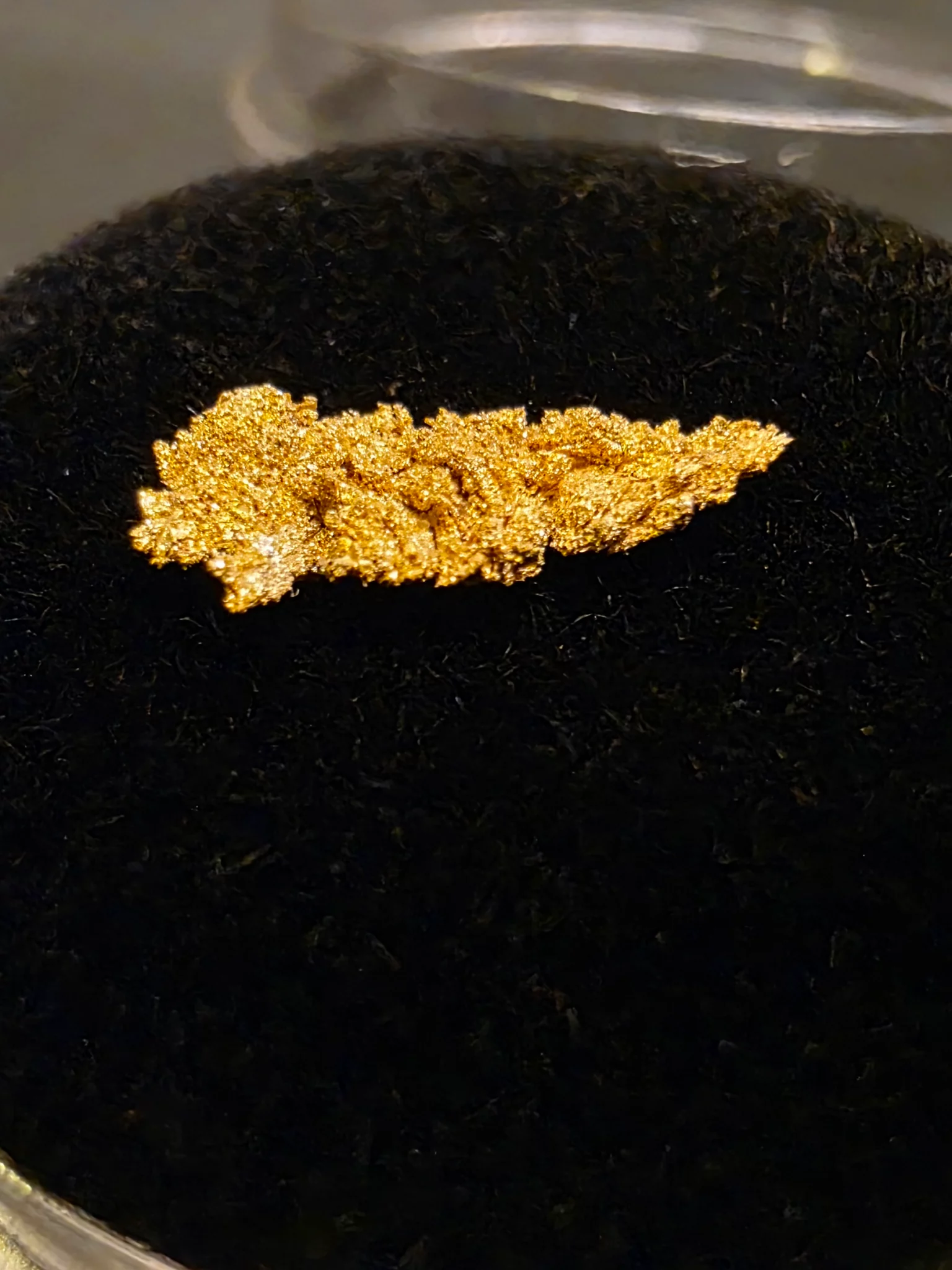
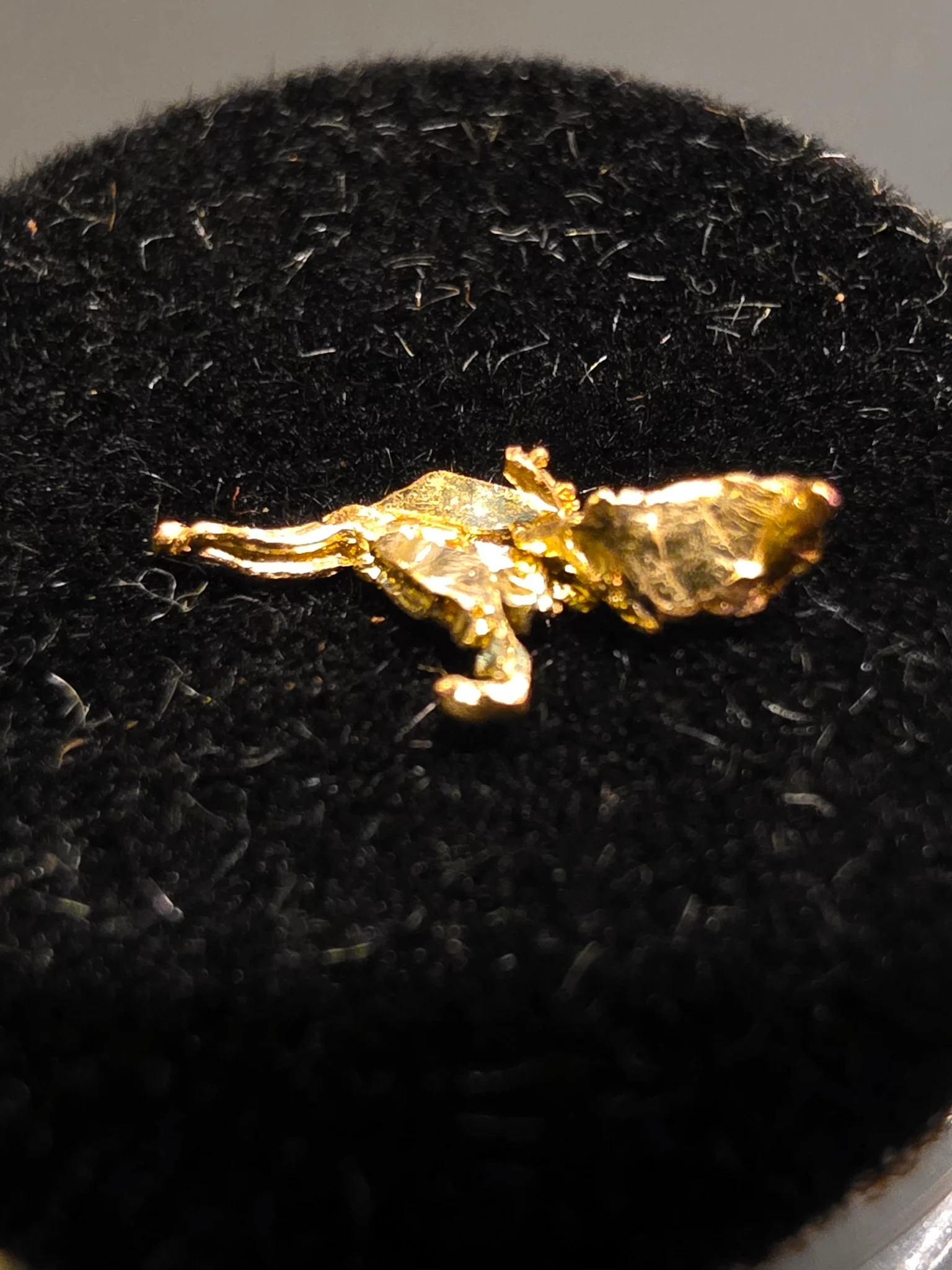
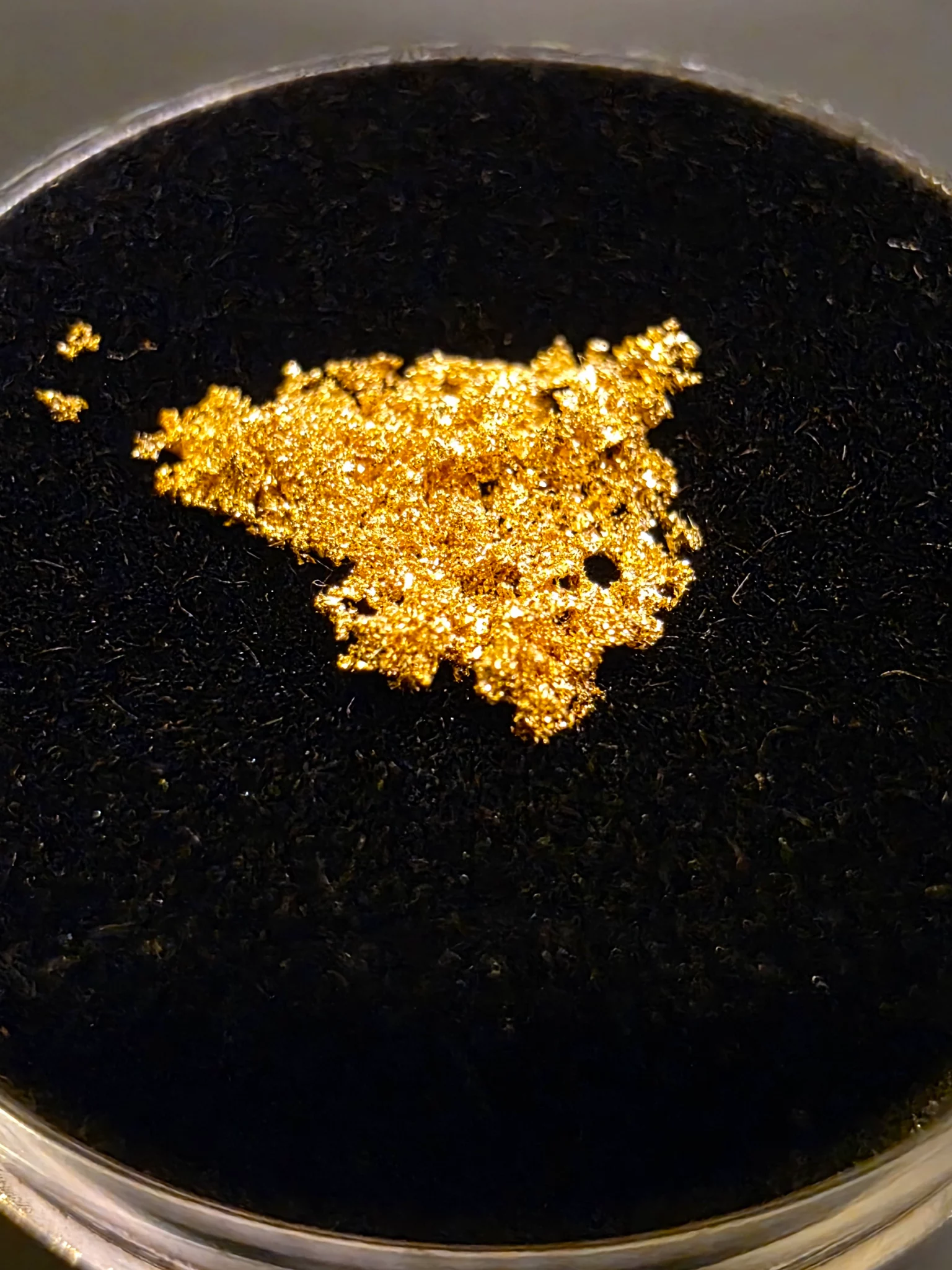
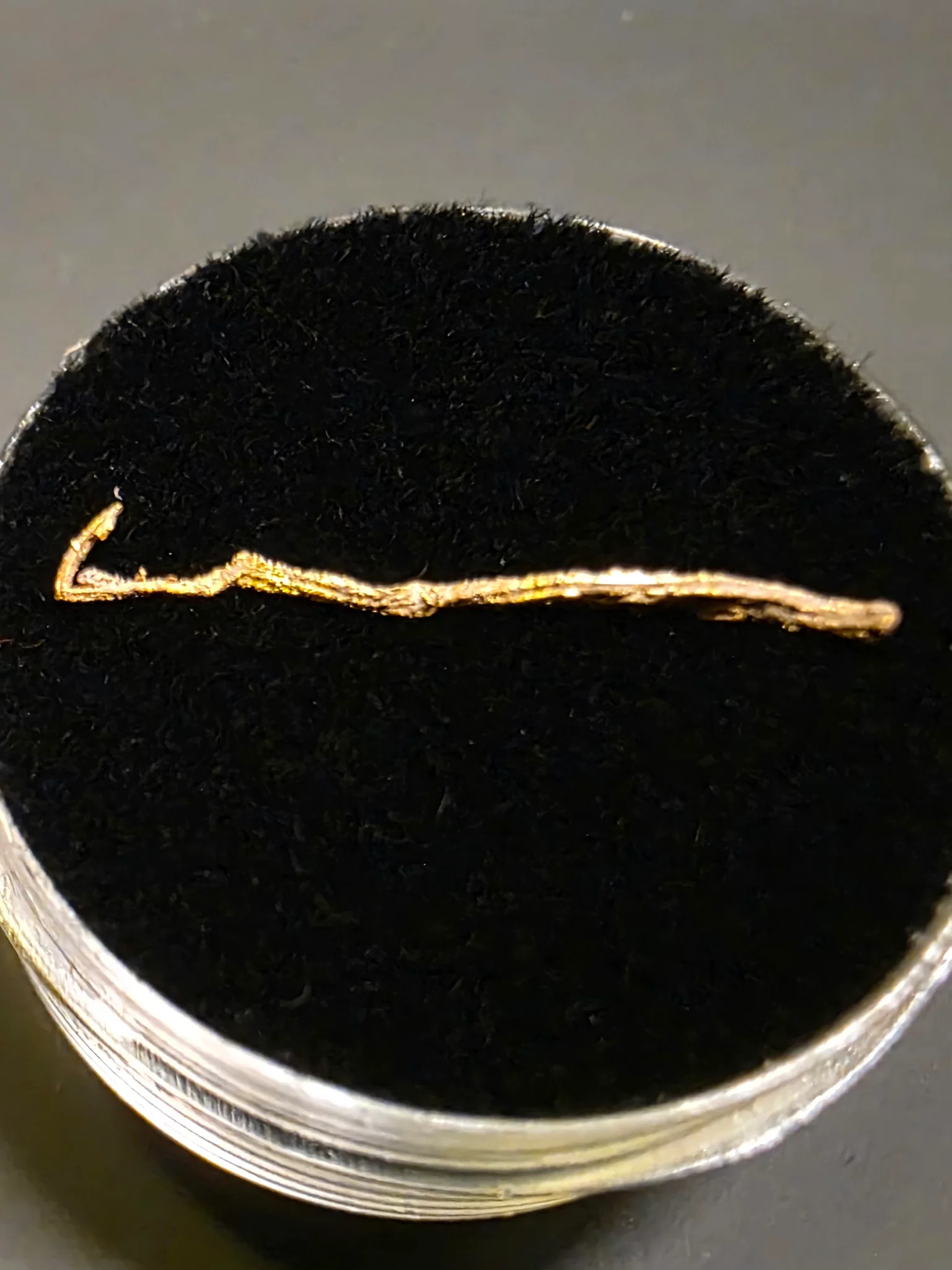
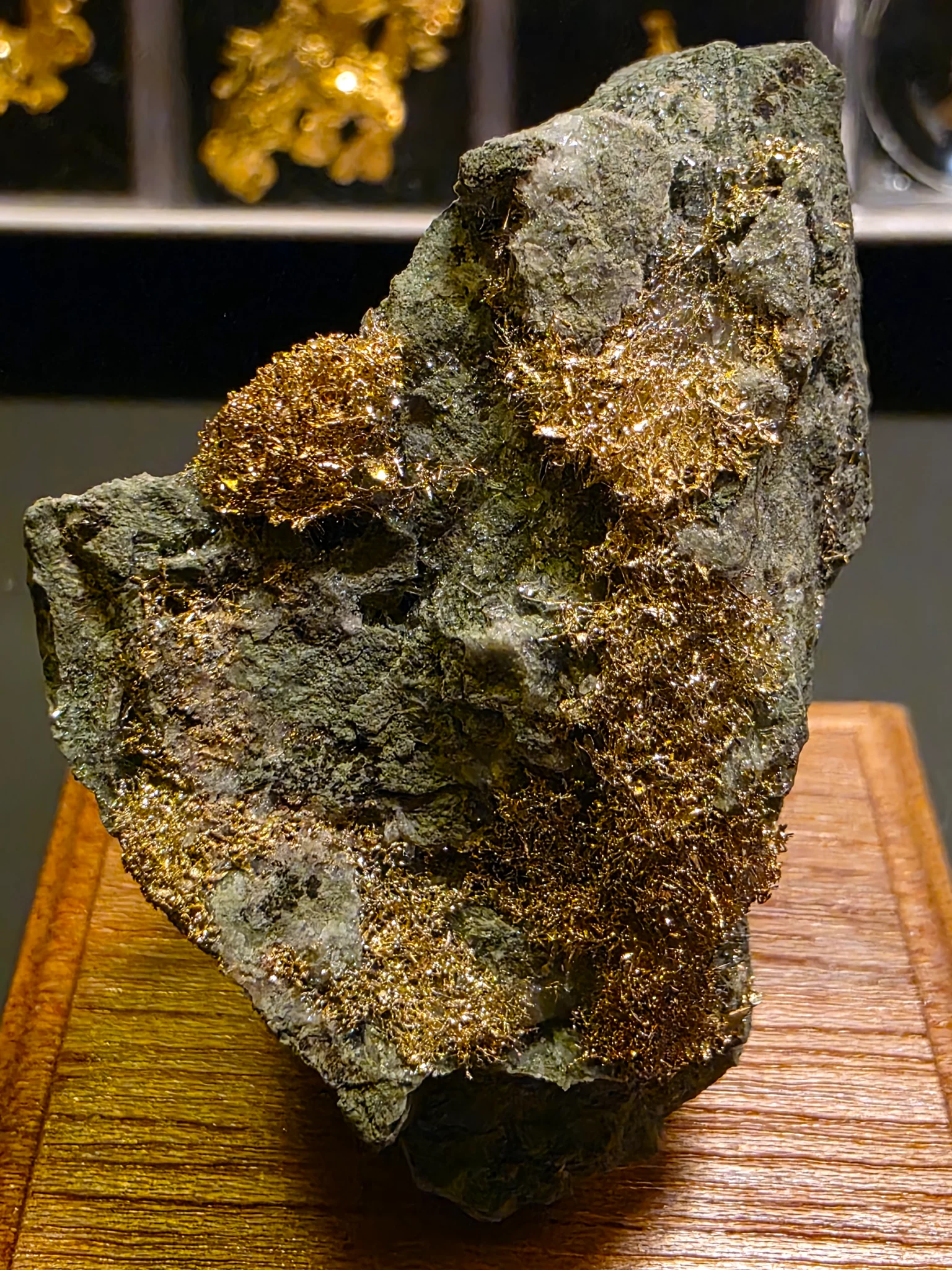
I also ended up collecting gold specimens (crystallines, wires, leafs, nuggets, etc) from gold lode deposits with some of the most neat ones still embedded in the granite/quartz or calcite. Gold crystallizes in the isometric system (the most common isometric crystal shapes such as cubes, octahedrons (pyramid-like) are very uncommon in gold crystallization). Natural gold crystals tend to be distorted forming skeletal crystals, sheets, leafs, wires, and dendritic forms. Very rarely a trigon is found on the surfaces of leaf gold. This triangle appears as though stamped or engraved on the leaf gold surfaces (I have a few of those).
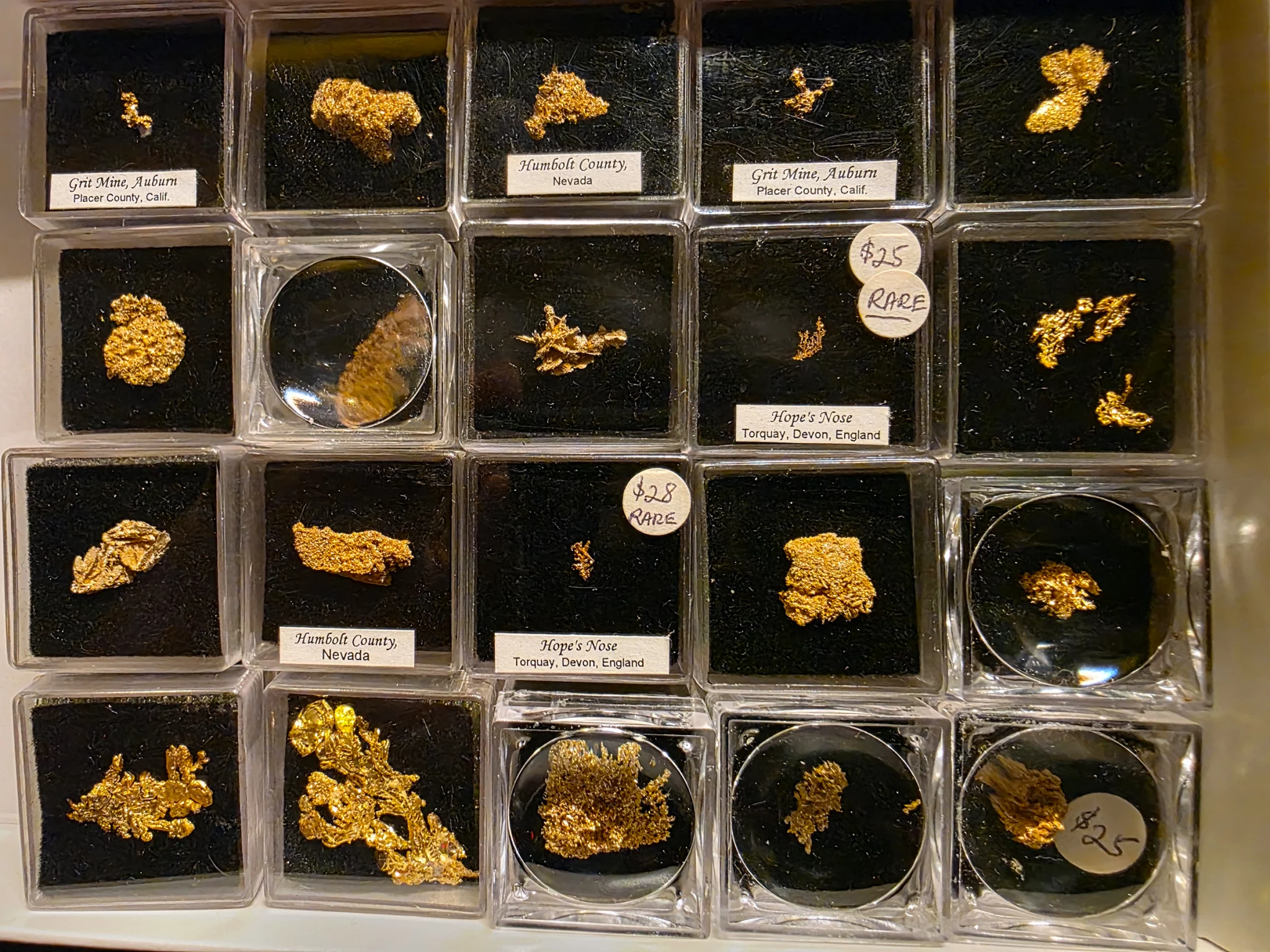
Most of these sort of mines around the world are now closed making newer discoveries of large gold pieces like this less common (most gold tends to be very small specks that need to be extracted from ore; large embedded samples like this aren’t as common). Even just a single gram of this type of gold specimen would command a high premium over the spot price. Most are also now in the hands of private collectors (like myself).
Some of the above which cost under $100 back in the 90’s, now go for several hundred dollars each. Lot of these are also really difficult to take good photos of (capturing the light that reflects off the surfaces). A lot of those pieces actually sparkle but every camera I tried (iPhone 15/16 Pro, S25/26 Ultra, Olympus OM-D) just could not capture that light and color (the iPhone Pro cameras did the worst in terms of color and depth and I don’t have a good macro lens for my OM-D; I ended up using the S26 Ultra for these).
The largest specimens (below) still don’t look as good in the photos as they do via the naked eye with how the light reflects off of their surfaces. Additionally, small pieces of gold continue to break off of the crystalline sponge specimens (highlighting how fragile they are). Some of these are surprisingly now well over $1,000 (the large crystalline gold embedded in granite in the last photo is now valued at over $4,000; it cost $340 back in the 90’s). Similarly, I didn’t buy these as investments; I collected them for their aesthetics. Still crazy though in terms of asset appreciation over 30 years.
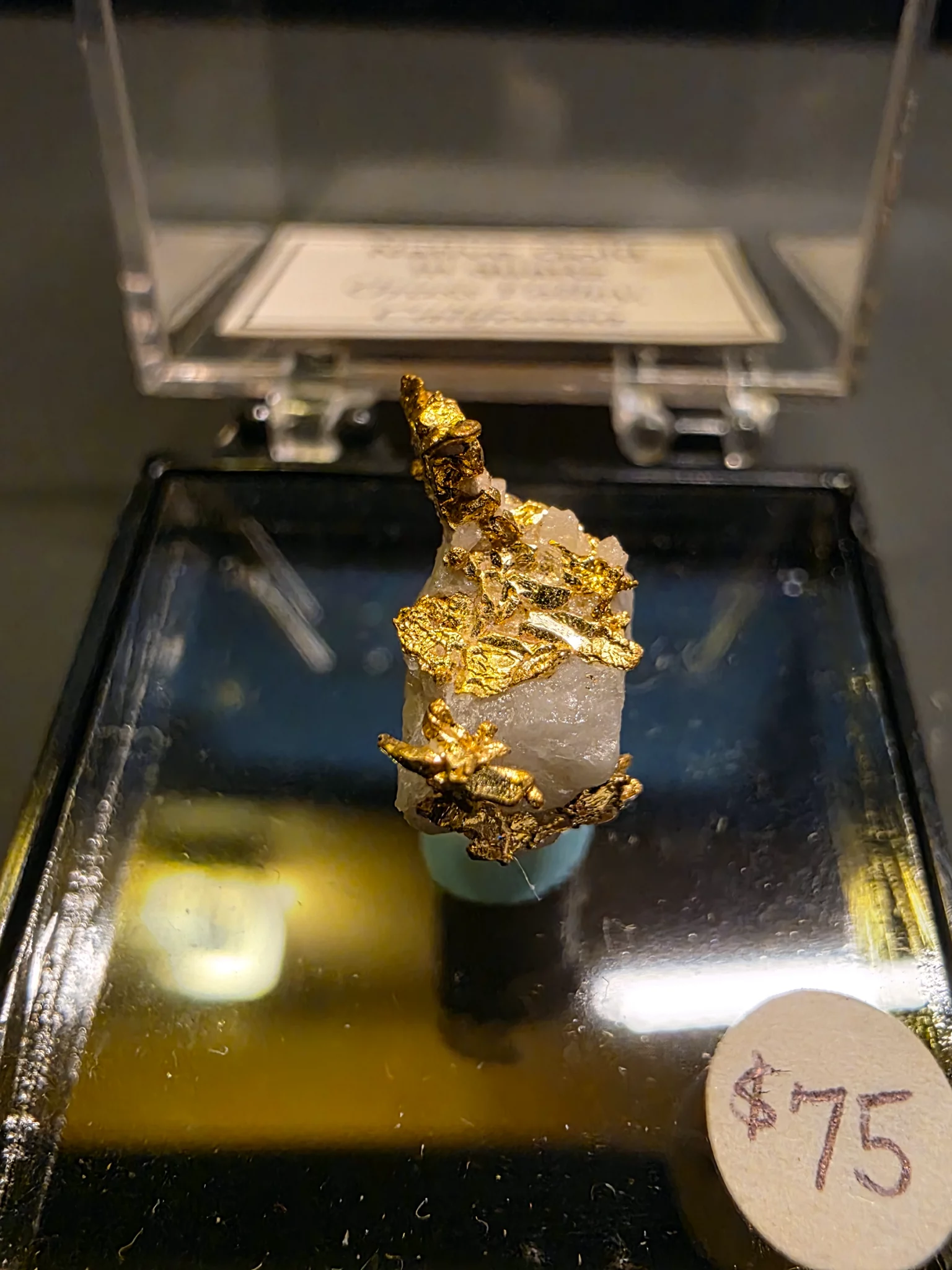

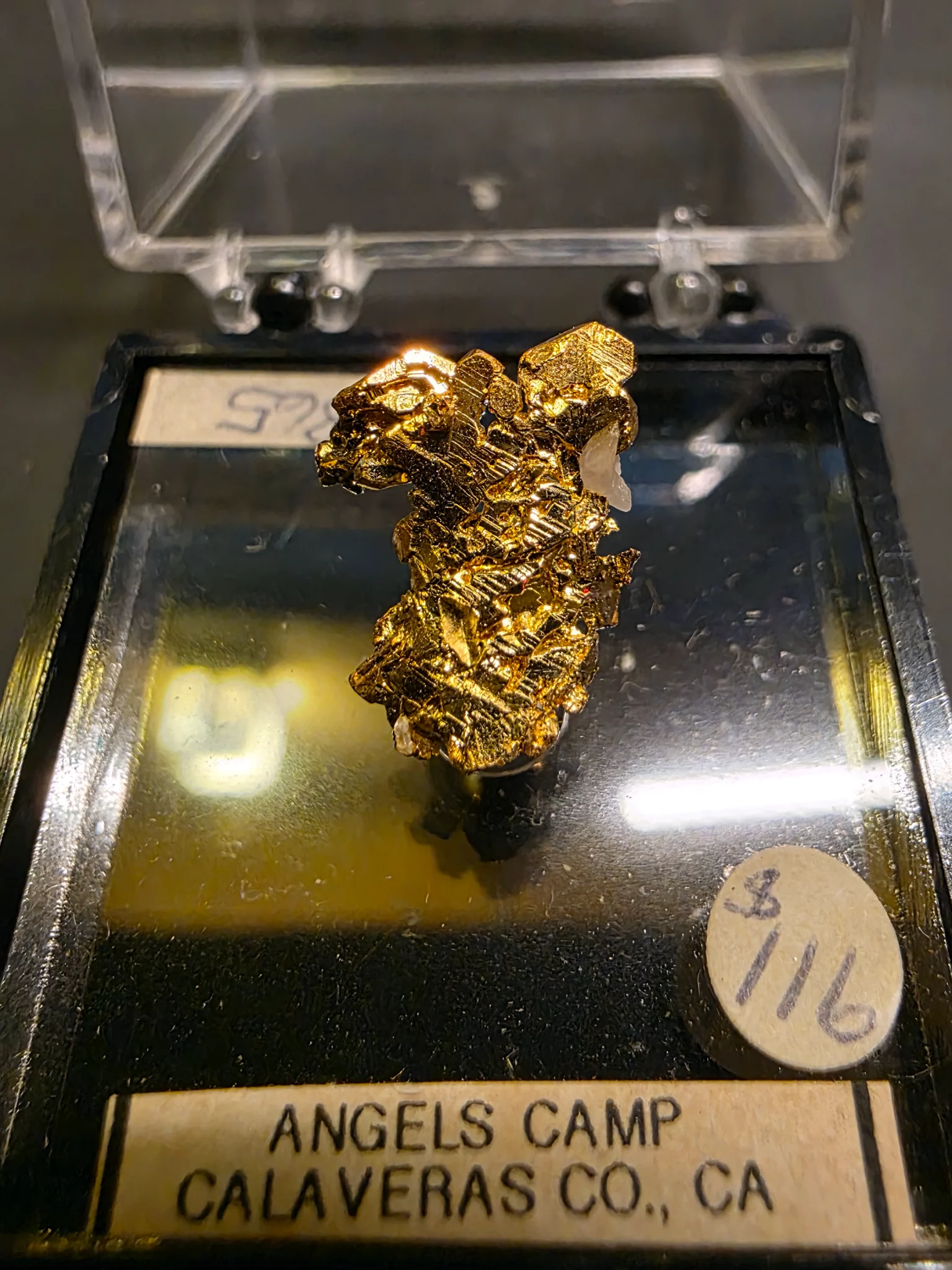
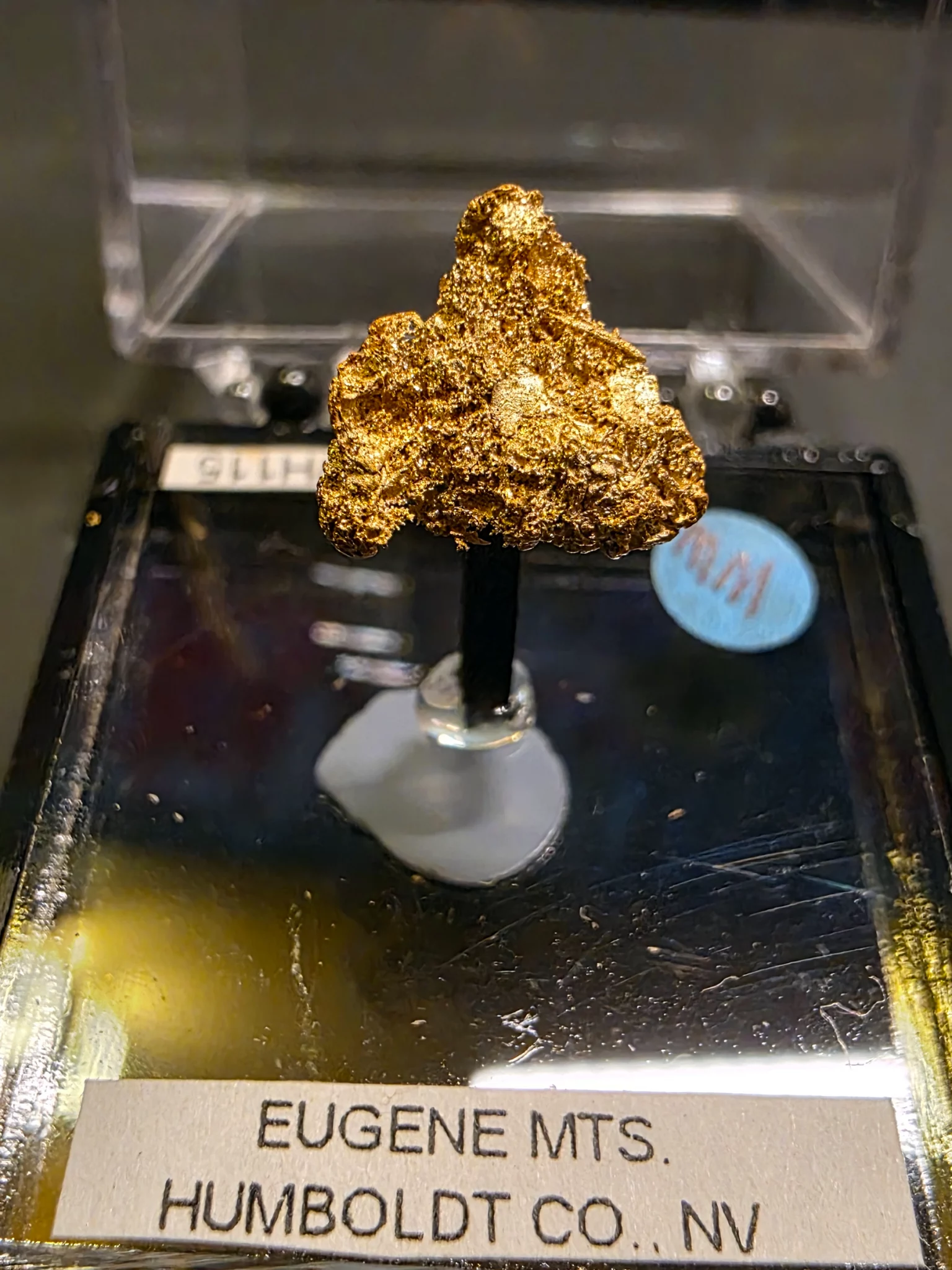
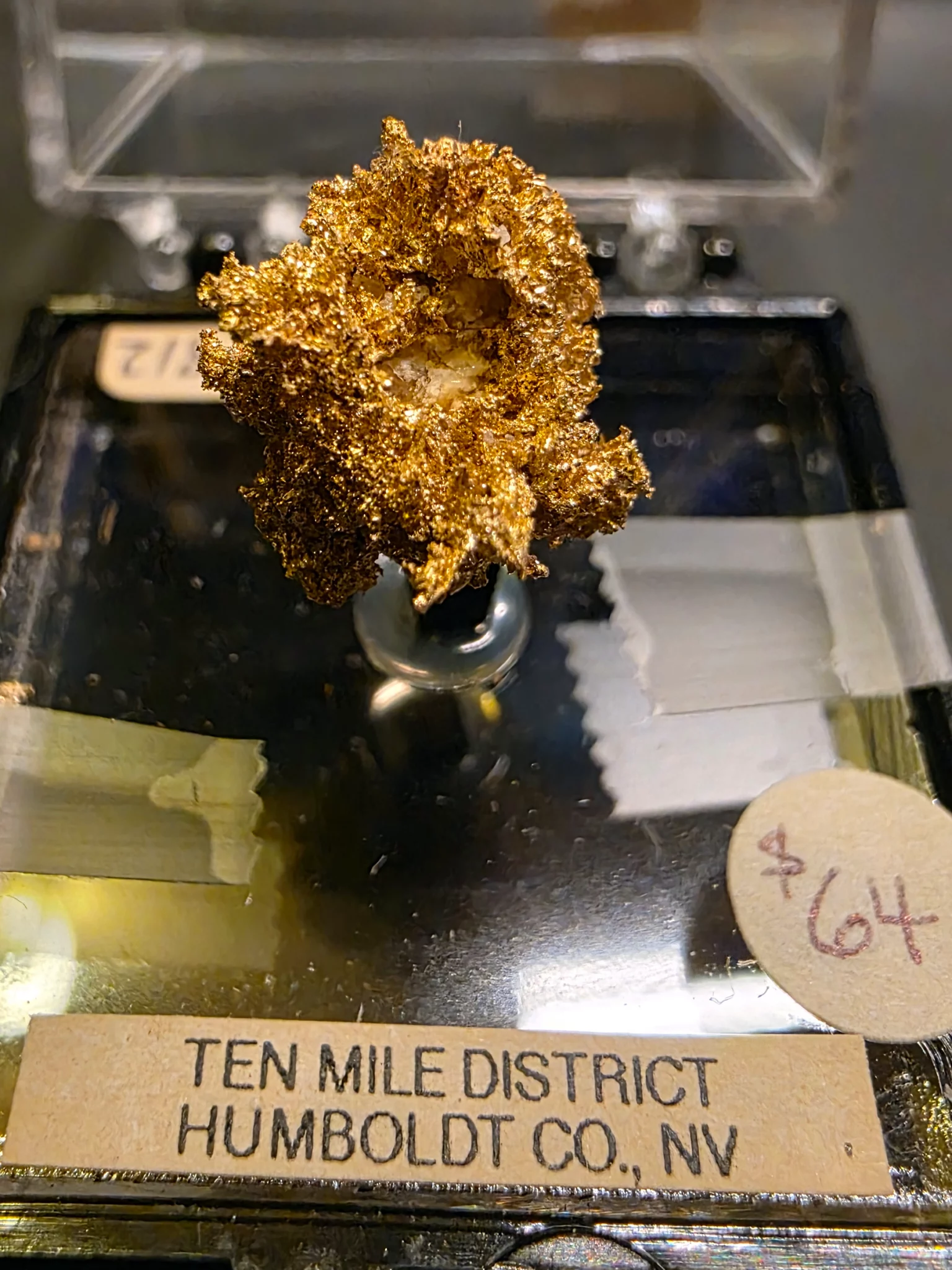
Since I’m divesting out of the equity markets throughout this year, I did make the decision to put part of those realized gains into collecting some gold coins that I had long wanted including that above mentioned 1907 High Relief Saint-Gaudens (a portion of the cash gift I received in December is when I made that decision on how to best utilize that since a gift of that sort is very personal; I felt it had to be treated differently because it was meant to be used for myself whereas the gains from the investments I made, are what I’ve been giving away in reasonable amounts to worthy causes/individuals while also making sure I have some asset protection in place).
I realistically gave up on minimalism (once a collector, always a collector — it’s something I enjoy and am fortunately able to do). None of this touches on the raw/rough diamond rocks I also began collecting around the same time (until I delved into the whole diamond cartel thing with De Beers and the artificially high prices caused by artificial scarcity which is something I could fill this blog with — but I’d prefer spending that time on more fun endeavors like the above or finding/learning about good chocolates, coffees, and teas, or just going outside to touch literal grass).