
Background
One of the biggest privacy related issues with smart wearables that have cameras in them, is how they could be potentially used in violating the privacy of others. Smart glasses like Meta’s Ray-Ban’s purposely make the camera’s on them noticeable as well as having an LED indicator on the opposite side.
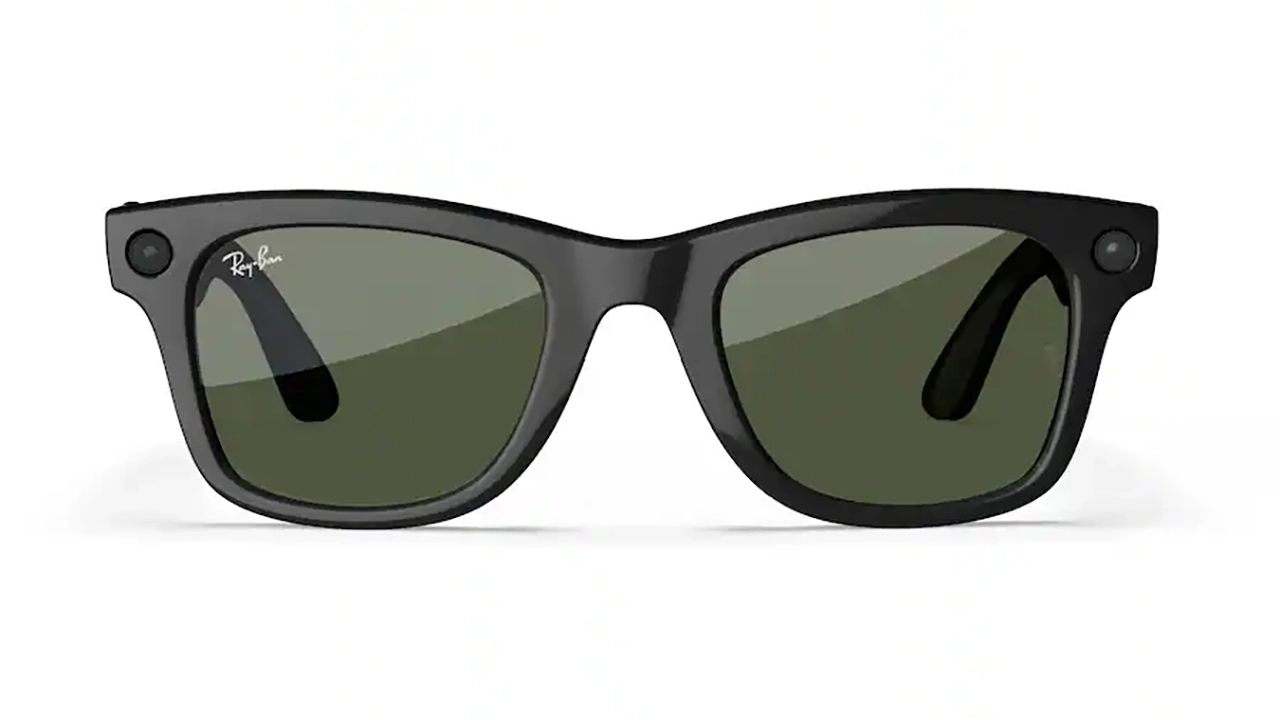
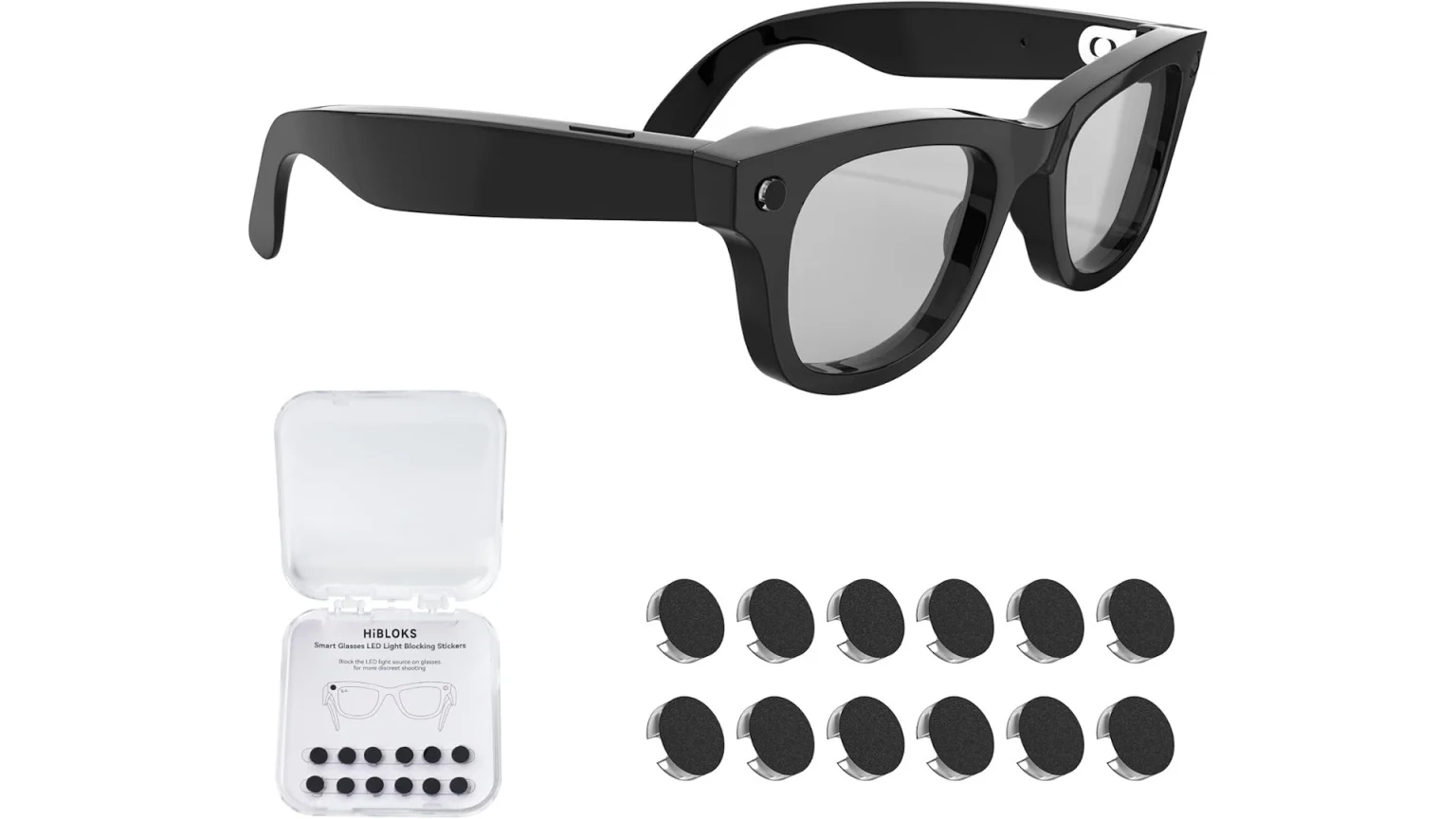
Even then, there are still many people (especially non-tech savvy folks) who don’t realize that it’s a camera. And that LED indicator? It can be easily covered up (stickers can be bought or simply made).
And yes, there have been those non-smart glasses with the smaller pinhole style cameras (similar to the front facing/inside selfie camera’s on most smartphones) that have been on sale before this smart glasses stuff. The point is that miniaturization of the lens/sensor technology has increased to a point where extremely high quality image and video can be captured where they present a privacy issue if used in a private setting/spaces.
Actual Case from Two Decades Ago
When I was living in Japan (in the earlier years when the tech was nowhere close to this), there were several scandals with regards to peephole style camera’s being used to record female patrons in sento (public baths) and onsen. From my understanding of those news reports at the time, other women were paid by the underground producers of such content where they carried around a wash basket (with soap, shampoo, and bath towel) that housed a small peephole camera (the kind that was available in the early 2000’s) connected to a hidden tiny recorder while also acting as a bather at a sento. At onsens, it was more like placing a hidden unit somewhere and collecting it later.
It turned out to be a long running operation by the time it was initially reported (around 2008) with thousands of hours of footage (they were sold online on underground type video sites) with these mostly unknown female victims really being unable to do much about this complete invasion of their privacy (it’s likely most never knew they had been secretly recorded this way).
The Present
Now with smart wearable technology being far more capable (and the ability to be better hidden), that obviously has implications for privacy wherever those can be worn and used including in ones own home. Which leads us to the privacy issue that has been revealed with Meta’s smart glasses (Ray-Ban’s and Oakley’s). Meta has sold over 7 million of these globally.
Users often times believe the data going out from these are being handled securely. Companies like Meta don’t operate that way because they are in the business of harvesting users personal data and piecing together whatever it can, in whichever way it can in the cheapest way possible. Meta’s AI terms of service do make it clear that Meta has the ability to review those interactions:
In some cases, Meta will review your interactions with AIs, including the content of your conversations with or messages to AIs, and this review can be automated or manual (human).
It also has a note about media processing (for images, audio, and video).
Depending on where you are located, you may have the option to engage with AIs by providing media (e.g., images, audio, video, etc.). For example, you may speak to Meta AI, provide media for editing, or ask questions about media. To work, each time you provide media, the AI technology transforms and represents the media into an embedding to understand the media and provide the requested service.
This is why with companies that have a long history of privacy issues, reading those long terms of service/privacy policies are important. It’s why I never used my actual personal information when I had an earlier Facebook and Instagram account (both of which I later disabled) and I used a different aliased one for a short period on Instagram until I disabled that one last year. It’s why I’ve been on this path of reducing my footprint on these platforms (it’s a choice I am prioritizing).
Meta’s AI Labeling Partner
According to this Swedish newspaper investigation, they discovered that Meta uses human contractors from a company they partner with named Sama (which has head quarters in San Francisco, but has contractors in lower wage countries like Kenya, India, and Uganda who are tasked with reviewing/tagging/labeling the image and video footage recorded by their smart glasses.
That labeling is utilized by Meta’s AI systems to better categorize that information. Sama is also used by other companies like Google and Microsoft to filter through often times, toxic material including extremist content that is posted and then flagged on these companies platforms (including Meta’s own Facebook and Instagram) for review. It’s unpleasant work with a huge psychological impact for these workers
According to interviews conducted with these contractors, footage they’ve reviewed included private moments (such as going to the restroom, undressing, intimate settings with partners, confidential conversations, etc) with all of it in plain view/hearing. Self doxxing is also a large problem including information like credit card and banking information being captured. While the contractors that were interviewed mentioned this was not what they wanted to be watching, they get dinged if too much footage is left unlabeled.
Again, Meta’s AI terms of service alludes to how this processing can be reviewed; most people probably take that to mean via a computerized process. But I’ve long mentioned about being wary with what these companies (especially Amazon, Google and Meta) say about keeping your data private (to take it with a grain of salt if mentioning something like “data sent to their servers for categorization purposes is anonymized”) because as has been shown in the past, employees have been able to access that data (Amazon Alexa and Google Home). In this case, it’s not some sophisticated systems; it’s actual human workers being able to see/hear completely uncensored media for manual labeling.
Personal Awareness and Responsibility
As for these smart glasses, I can see how easy it might be to forget to turn off recording (especially in a rush). Regular glasses is pretty much second nature where using smart glasses, can end up becoming the same unlike say your phone or portable action/vlogging camera. If one decides to own these, it’s important to be much more aware and taking personal responsibility with their usage. If you have a partner that uses them, you also need to trust them (better yet, set clear boundaries about them ahead of time).