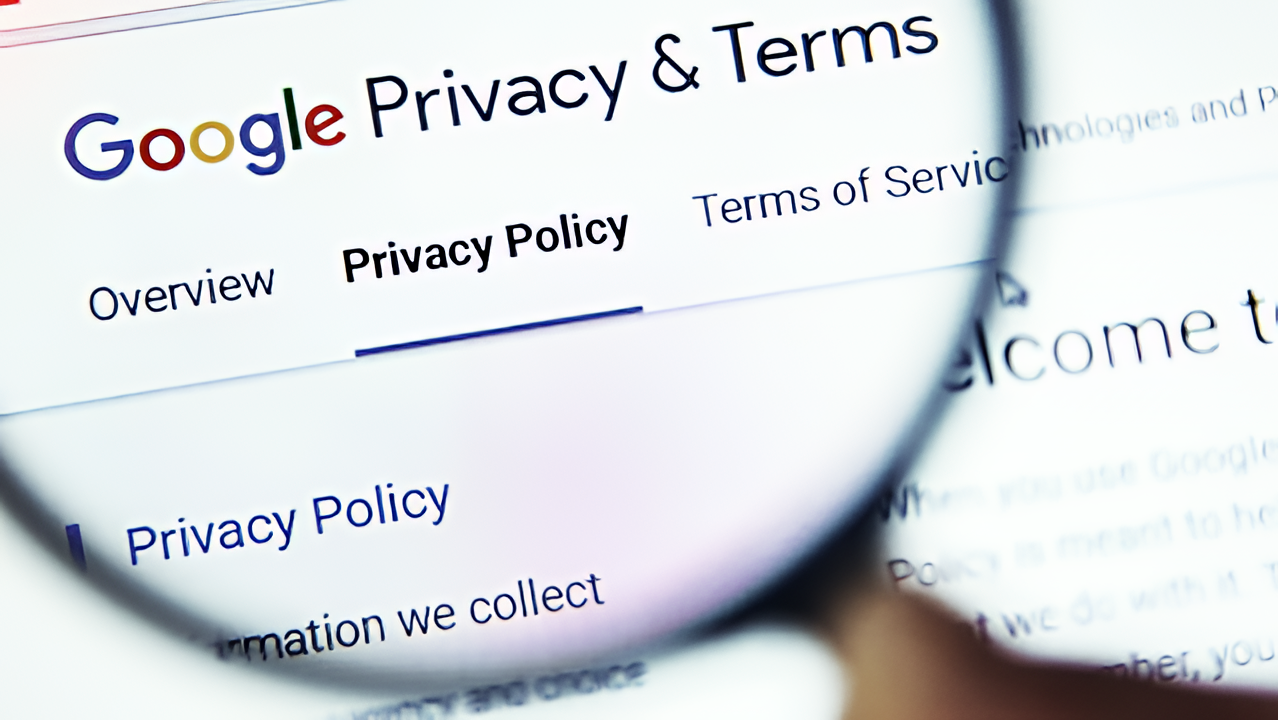
Two separate lawsuits were settled; one was for allegations regarding their voice-assistant secretly recording users conversations and sharing those private conversations with advertisers ($68 million) while the other was related to Google having Android collect users cellular data without their permission ($135 million). Both settlements still need to be approved by a judge.
These amounts represent a drop in the bucket (compared to the revenues they’ve already generated/will continue to generate). There is literally no deterrent given how little these companies end up having to pay (and you cannot trust they will not simply keep doing it even if ordered especially nowadays where the ability to commit white collar crimes is on the side of the rich/powerful.
Google itself has faced and lost many different privacy/tracking related lawsuits (it’s all “kabuki theater” though; none of it is a deterrent because even the multi-billion dollar ones still represent a small amount relative to the total ad revenues that Google managed to pull in from those violations). If users were actually concerned, they would have long stopped using most anything that Google releases for “free” (because it is not really free when they are finding ways to harvest anything they can on its users).
The first article also makes note how Apple faced a similar lawsuit/settlement with Siri eavesdropping on private conversations. Apple of course has a lot more reputation to lose because they long emphasized this as a hallmark of their products and services. In Google’s case, users have long conveyed to them with how little they care (heavy reliance on a lot of Google services including Google Drive and Gmail which are both an easy gold mine for the company to harvest data regardless of what they say about privacy).
Android as a mobile operating system that is used as the basis for many different hardware makers can offer up Google so much more data with users personal information (again, regardless of the privacy policies and Google account settings). That’s why my Galaxy S25 Ultra is mainly for testing (where I don’t have my important personal information associated with the Google accounts/services of the device). If it weren’t for this fact (and until I can find out just how much de-Googling can be done), switching to it as my main would be no problem (the feel of using this S25 Ultra is really good).
The larger point here in this day in age where “up is down” and “down is up” is that users need to stop being naive and having faith in these companies privacy policies (because they will find ways to ignore them, to blame it on an oversight, to blame it on a data breach, etc); this being especially true for companies like Google and Meta that have a long history of violating their users privacy/harvesting their personal information.


2 Comments
Comments are closed.