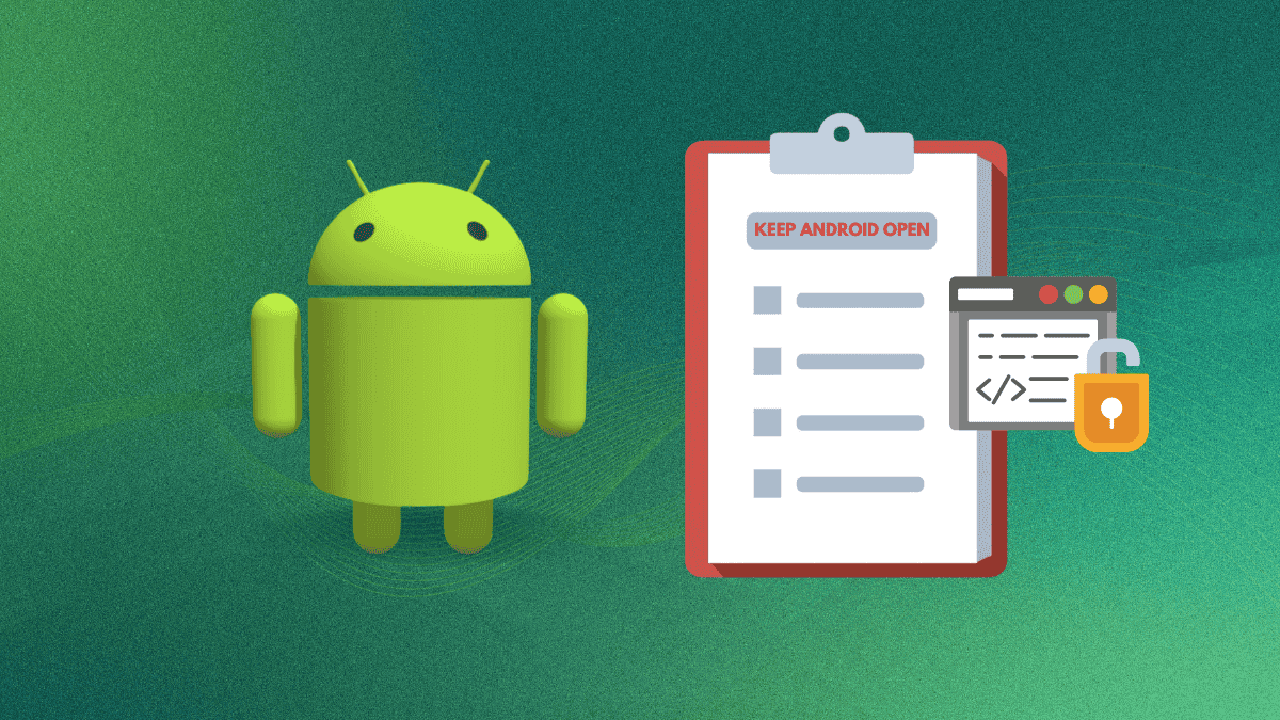
This open letter is in regards to Google’s plan to implement developer verification registration starting in September 2026 which many developers believe contradicts the original spirit of the Android mobile operating system (of being this largely open source environment that was meant as an alternative to early iOS in what was then called iPhoneOS and Windows Mobile and then Windows Phone). As of current, applications can be “side loaded” onto Android devices (albeit certain settings need to be toggled) where such unsigned apps can still run.
One can only do this on an iPhone/iPad if they are jailbroken (some of the popular jailbreaking tools for iOS are Checkra1n, Dopamine, Palera1n, and Unc0ver) where it usually takes time for a widely trusted version of the latest to be available. The only time I jailbroke a device was an iPod touch just to try. While it’s not something I would do for my regularly used devices, I also believe that people should have the freedom to do what they want with the device they own (as long as they acknowledge they take responsibility if they brick or get owned by a piece of malware).
That is one of the nice things about Android where you the user, have to take responsibility for what you install and use (if you install things from unverified sources, then it is your responsibility if that turns out to be some sort of malware). I enjoy that sort of freedom on my desktop and laptop systems whereas on mobile, it has never been a key consideration (since I just want the thing to work, to not be too easily subjected to my own oversight, and to not be something that has a large amount of personal information that an IP owner such as Google, could be finding ways to get access to). But I digress.
As it turned out, Android became the primary alternative to iOS and is what most smartphone competitors to the iPhone use as the basis for their mobile operating system. That mostly open ability has been key to this uptake. And given the lack of developer verification for these app stores or ones distributed outside of Google Play, has allowed a host of applications (that would never be allowed on the iPhone/iPad app stores) to flourish. This “wild west” aspect has allowed Android to become a favorite of the tech geek crowd and those who have an ideological difference to Apple’s walled garden/controlled approach to the iPhone/iPad.
Google however has been on this path of following Apple in the name of security starting with taking Android development to a more closed/controlled practice (shifting the Android Open Source Project (AOSP) to a model where major updates are released only twice a year while restricting access to device-specific source code; a move that affects custom ROM development). Requiring developers to now verify their identities now means providing an avenue for that information to becoming known (a concern for privacy advocates or those who might be the target of governments; especially oppressive ones that do not like the apps that some of these folks are creating).
This has caused some to declare this as the “death of Android” which IMHO, is a bit of over the top hyperbole. Putting something like the AOSP genie back into the bottle again is difficult. GrapheneOS is an outcome of that and with Motorola signing up as a partner, will give that project the necessary legs to turn that privacy focused version of Android into its own fork that other device makers may also look into doing the same. Google’s own Pixel (at least until the Pixel 10 Pro) allows GrapheneOS to be easily installed on it.
If Google decides to completely lockdown Android like iOS and that presents itself as a serious ideological impediment to supporting device makers that do not support an alternative initiative such as GrapheneOS, I say let the marketplace determine that (customers speaking with their wallet). My trust in Google was never on the high side (why I’ve long stayed away from an Android device until recently) because they’ve proven themselves to be one of those whose privacy policies is something meant to be played around with loosely (because the fines and lack of large scale consumer backlash is almost trivial).
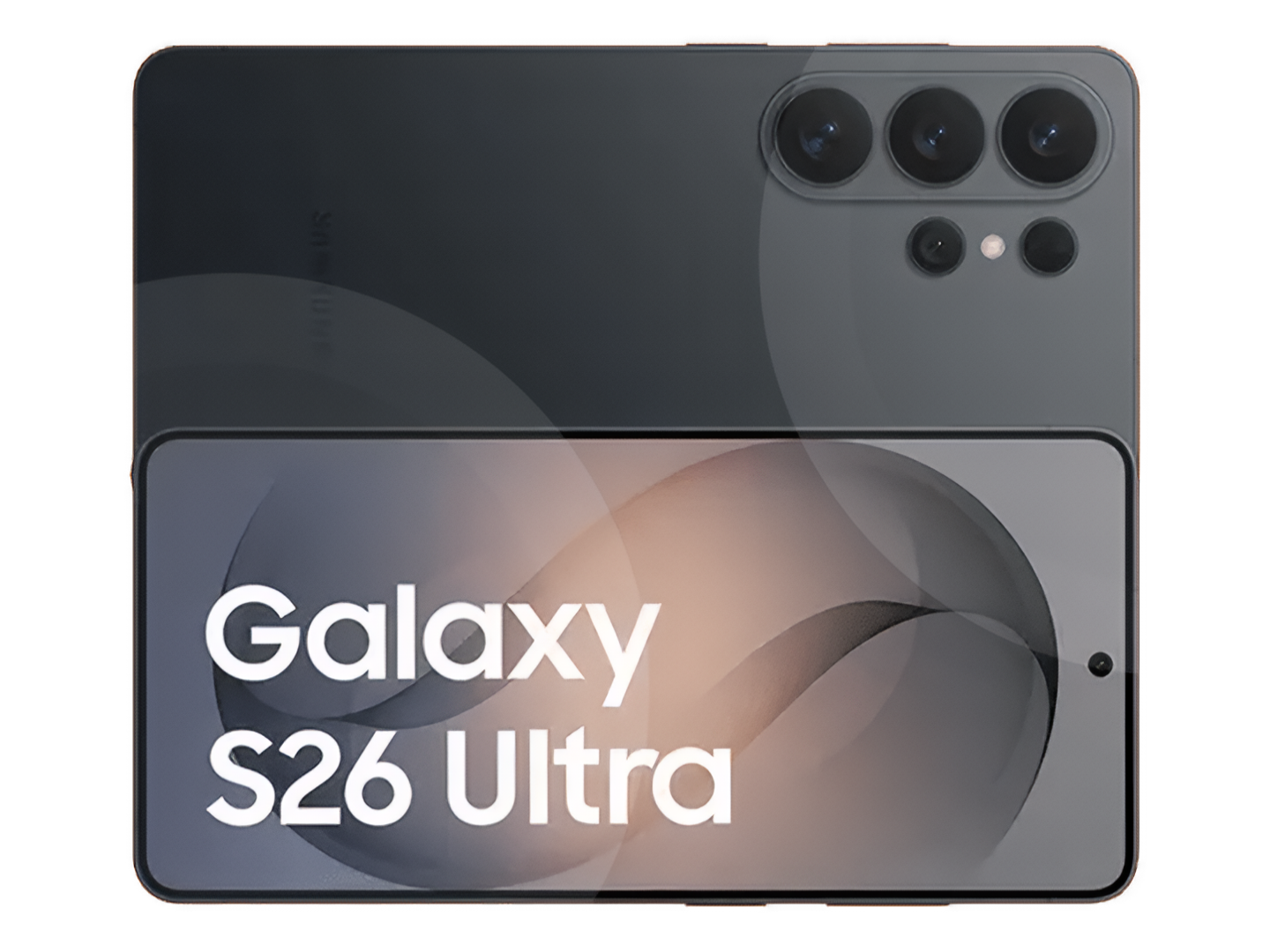
The Galaxy S25 Ultra and S26 Ultra I now have are test bed devices. As it turns out, I really like the hardware (even the camera seems to do a much better job compared to the iPhone) but have no desire to make them my primary mobile devices because of how deeply embedded Google is (and there is only so much de-bloating/de-Googling that can be done without removing it from the actual source). Motorola signing up as a GrapheneOS partner where there will be Motorola devices officially supporting it beginning in 2027, is something I do have great interest in because of that privacy focus taken together with the original open environment.
This open letter does spell out the potential gatekeeping aspect of this developer verification change beyond Google’s own Google Play ecosystem as well as privacy/surveillance concerns for developers registration information (and then several other points of contention). Remember, these big companies tend to be the worse offenders when it comes to data breaches/leaks. Furthermore, no large company will refuse a lawful subpoena (with some caving more quickly to others). Furthermore with the erosion of democracy and the rule of law in the United States where Google and its parent company Alphabet are headquartered, this becomes an even greater concern (the weaponization of the power of the state to gain access to such information).
Myself, I don’t really have a fight in this except I distrust Google highly and why I don’t entrust my use of mobile devices primarily to Android. No one knows if this will have a positive net effect for something like GrapheneOS should Google stay the course with its decision. IMHO, it’s the usual vocal minority that are making the noise whereas most regular people, don’t care. The fact that even after all of Google’s own privacy issues, that so many trust the pervasiveness of Google services on their Android device, use Gmail for a lot of private communications, or use Google Photo’s for a lot of their personal photos, exemplifies this.
Let’s go even further… recently, Google allows paying users of Gemini to have it scan their photos, emails, and general usage of Google’s services (that is currently off by default for everyone else) and there are many who utilize Gemini on a non-sandboxed system. Thus when you have many willing to allow Google (and other social media platforms) easy access to their digital life, I basically believe this will be a nothing burger for most users who cheerfully use those services (with their personal info exposed to them) and/or remain on platforms that have little respect for your personal info/usage patterns (talking about you Meta).